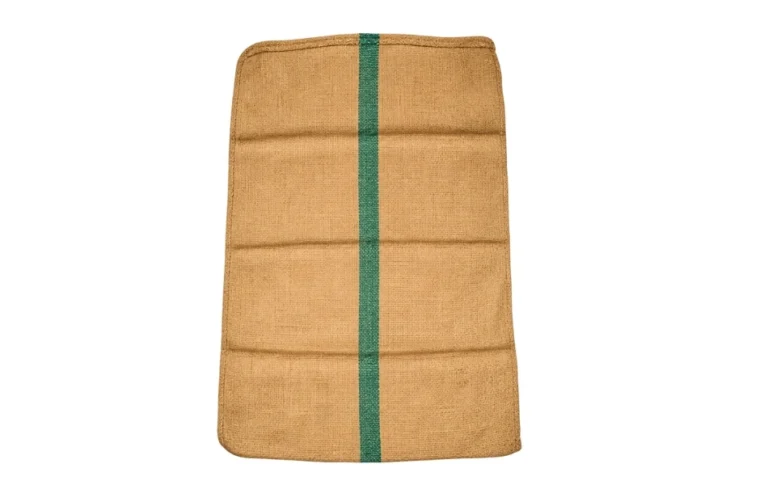
Jute VOT Bag
Vegetable-oil-treated jute sacks for commodity packaging where VOT processing forms part of the buyer's specification. Select the construction and testing…

Premium Jute Enterprise is the best jute bags and sacks manufacturer in Bangladesh, producing and exporting natural jute packaging for international importers, wholesalers, agricultural businesses, packaging companies, and industrial buyers. The product range includes B Twill, A Twill, L Twill, Binola, Hessian, Burlap, coffee sacks, and custom jute bags for wholesale and industrial applications.
Jute bags and sacks are manufactured according to buyer specifications, including dimensions, fabric weight, weave construction, stitching, carrying capacity, printing, and export packing. From heavy agricultural sacks to branded shopping bags, Premium Jute Enterprise supports bulk orders with quality inspection and international shipping coordination.
Vegetable-oil-treated jute sacks for commodity packaging where VOT processing forms part of the buyer's specification. Select the construction and testing…
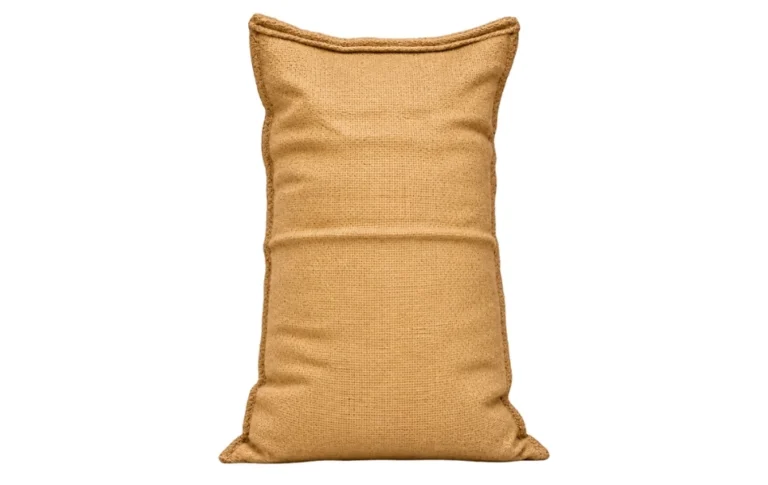
Woven jute sacks for bulk sugar packaging, with construction, closure, and liner requirements matched to the sugar grade and filling…
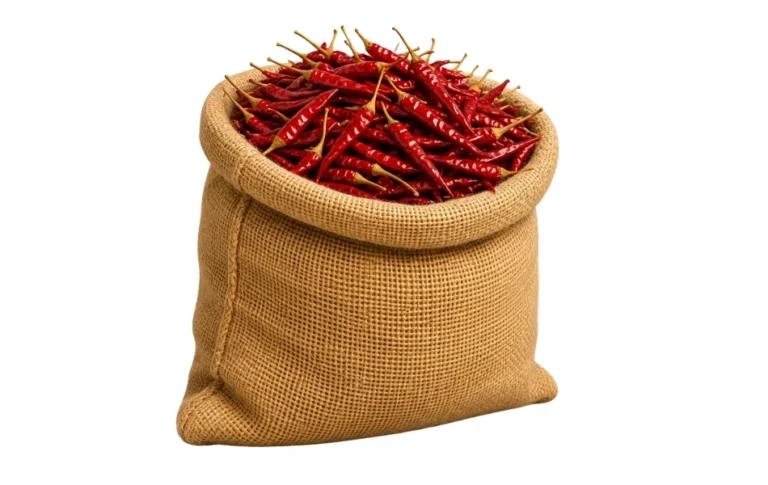
Woven jute sacks for bulk spice packaging, with the fabric, treatment, and liner selected for the spice being packed.
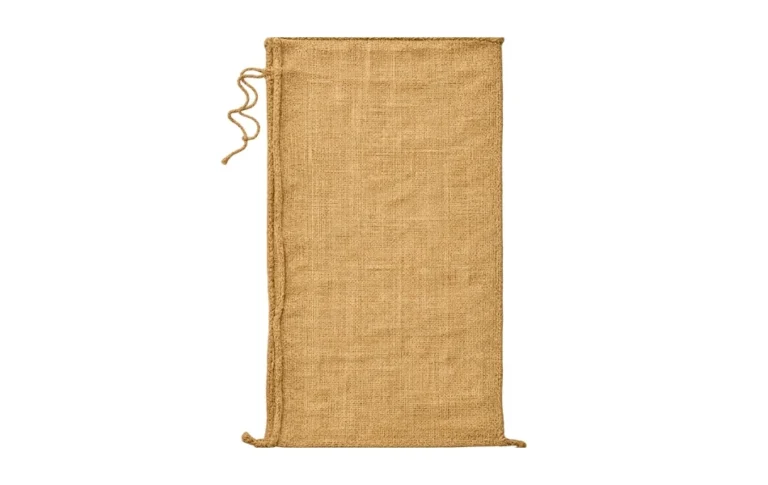
Woven jute sand bags for temporary site use, with filling and placement matched to the project requirements.
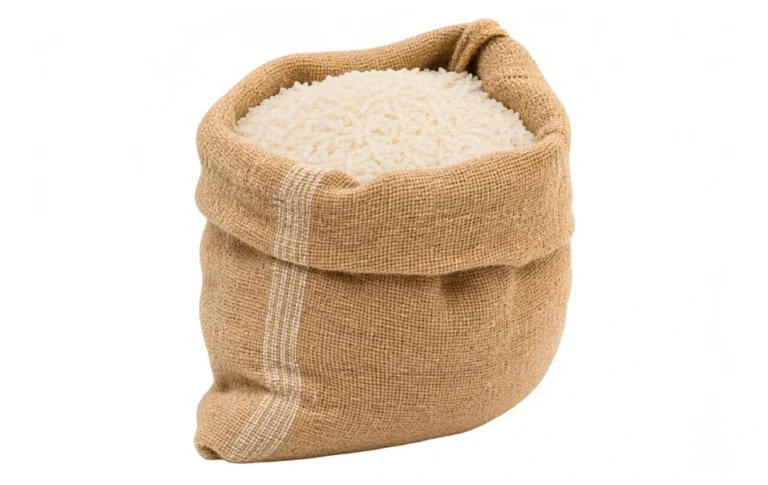
Material and construction: Woven jute hessian / burlap
Typical size: 101.6 × 55.9 cm / 40 × 22 inches, length…
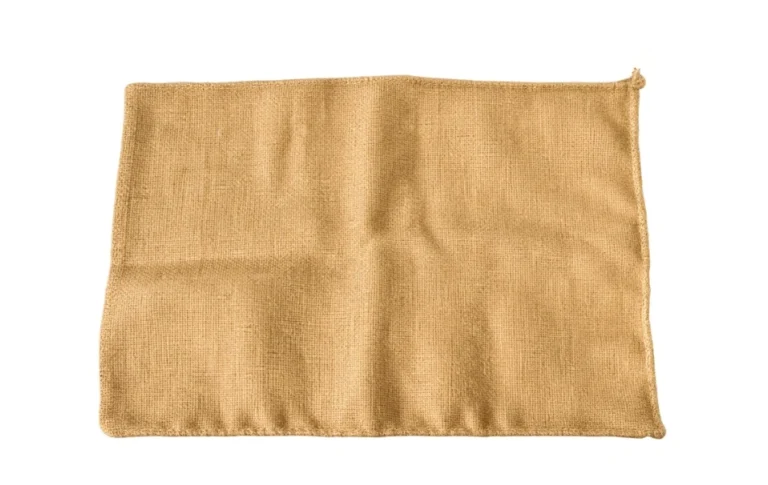
Woven hessian sacks for bulk dry onion packaging, with the fabric, filling weight, and closure selected around the produce and…
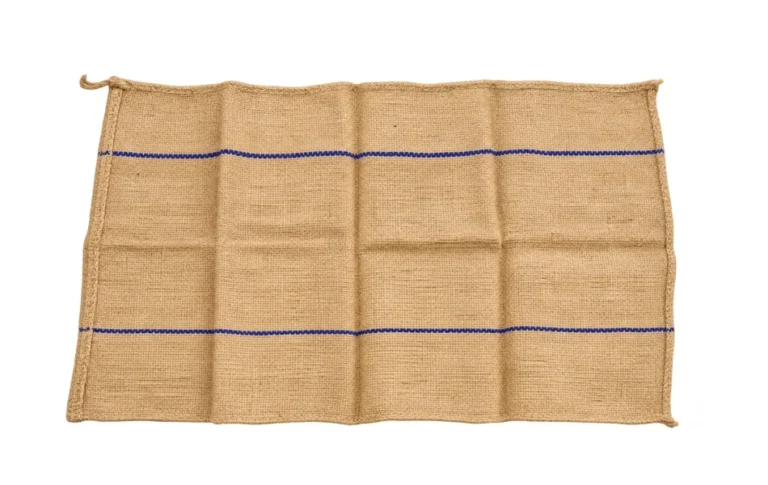
Woven jute sacks for bulk nut outer packaging, with the construction selected for the nut type, shell condition, filling weight,…
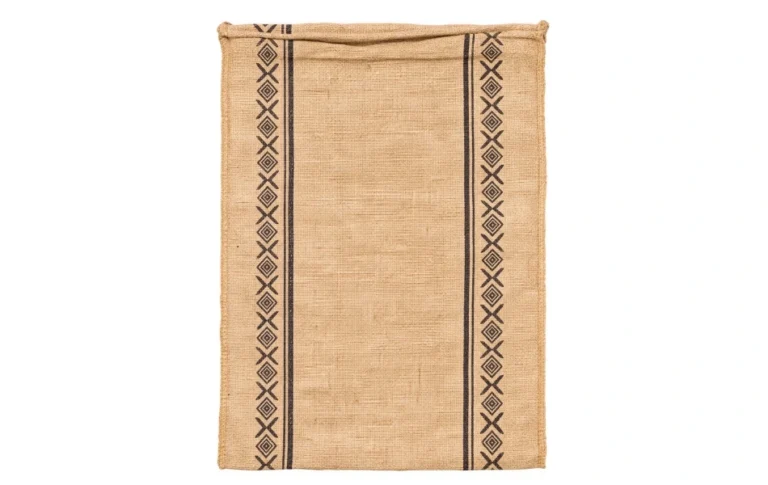
Material and construction: Plain-woven jute hessian / burlap
Typical size: 101.6 × 71.1 cm / 40 × 28 inches, length…
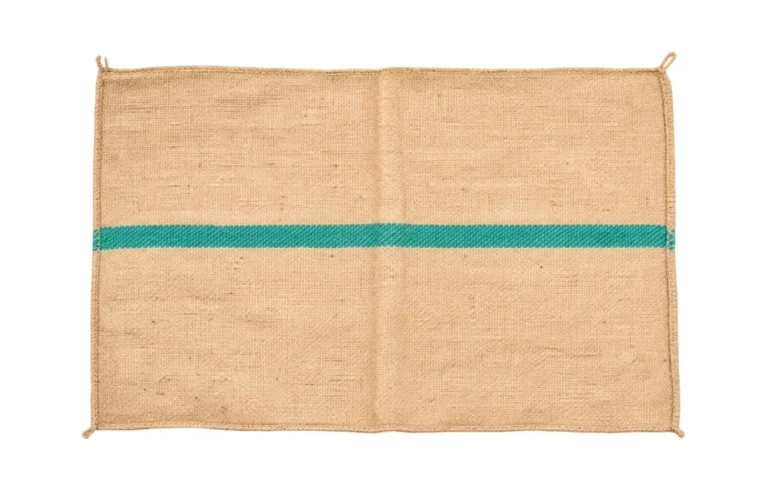
Woven jute sacks for bulk hazelnut outer packaging, with the bag and liner selected for in-shell nuts or shelled kernels…
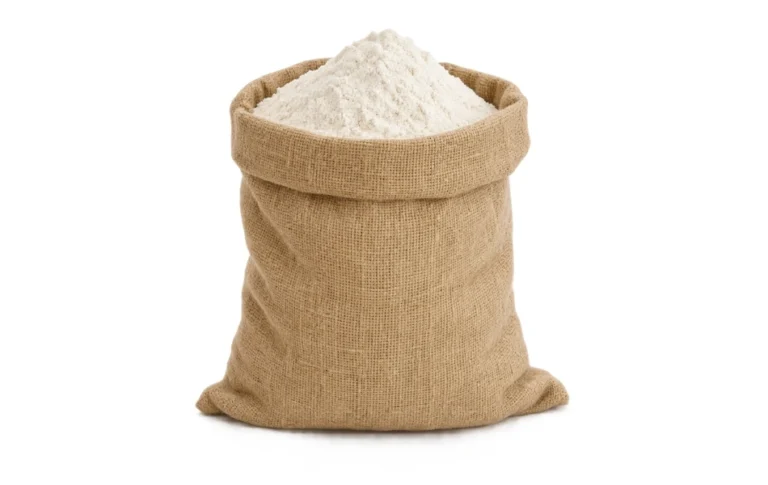
Double-warp jute sacks for bulk flour outer packaging. Match the fabric, liner, seams, and closure to the flour's particle size…
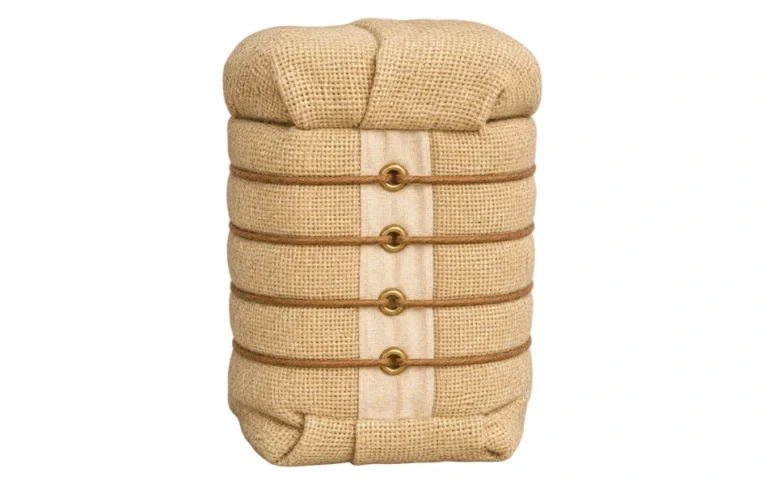
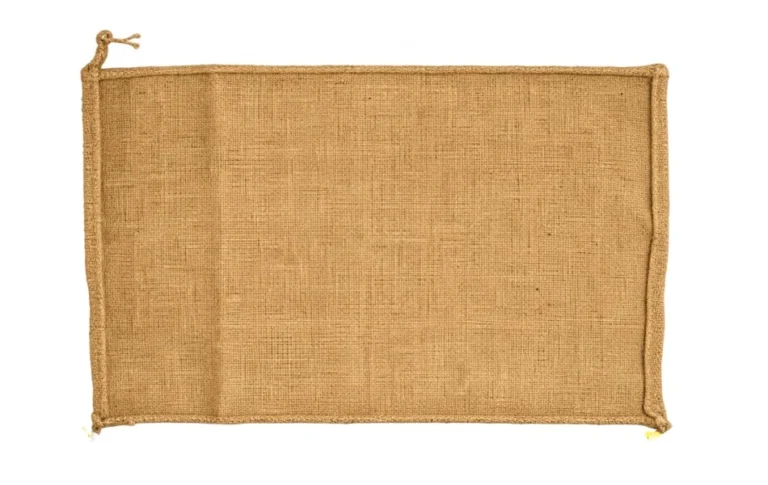
Material: 100% natural jute hessian
Typical empty size: 35.6 × 66.0 cm / 14 × 26 inches, width × length
…
Jute bags and sacks are classified by fabric construction, product design, and intended application. Industrial sacks, hessian packaging, and reusable shopping bags serve different purposes and require different manufacturing specifications.
Industrial jute sacks are manufactured for agricultural commodities and other materials that require filling, stacking, handling, and transportation in bulk.
Common industrial grades include B Twill, A Twill, L Twill, Binola, and other woven sacking constructions.
These products generally use substantial fabric weights and industrial stitching to support their intended filling capacities.
Fabric construction, bag dimensions, seam strength, and handling requirements determine the appropriate sack grade.
Hessian and burlap bags use plain woven jute fabric and are commonly selected for coffee, cocoa, vegetables, seeds, grains, and general packaging.
Compared with traditional heavy sacking, hessian fabric often has a lighter construction and a more open weave.
The actual material weight and carrying capacity depend on the selected fabric grade, dimensions, and seam construction.
Reusable jute bags are manufactured for retail packaging, shopping, promotional campaigns, branded merchandise, and gifts.
These products use woven jute fabric with additional design features, including handles, gussets, printing, lining, lamination, and closures.
Unlike commodity sacks, the manufacturing specification also addresses appearance, carrying convenience, and finishing quality.
Jute bags and sacks are manufactured in different dimensions, fabric weights, weave constructions, and carrying capacities. Selecting the correct specification is important for bulk buyers because material weight, stitching, and bag dimensions affect performance, packing, and transportation costs.
The following table summarizes the main technical characteristics of different jute packaging products.
| Jute bag type | Fabric construction | Key specifications | Common applications |
|---|---|---|---|
| B Twill | Twill woven sacking | Bag weight, dimensions, porter and shot, stitching | Rice, wheat, grains |
| A Twill | Twill woven sacking | Fabric density, dimensions, finished weight | Sugar, agricultural commodities |
| L Twill | Twill woven sacking | Weave, dimensions, seam construction | Bulk commodity packaging |
| Binola | Heavy woven sacking | GSM, dimensions, load capacity, stitching | Cottonseed, agricultural produce |
| Hessian Bags | Plain woven jute | GSM, weave density, dimensions, mouth finish | Coffee, cocoa, produce |
| Burlap Sacks | Woven jute fabric | Weight, capacity, stitching | Agricultural and general packaging |
| Coffee Jute Bags | Specified woven hessian | 60 or 69 kg capacity, treatment, cleanliness | Coffee and cocoa |
| Custom Shopping Bags | Woven jute fabric | GSM, dimensions, handles, printing, gusset | Retail and promotional packaging |
Exact specifications are established according to the intended application and approved manufacturing requirements.
Jute fabric weight is commonly measured in GSM, meaning grams per square meter. GSM indicates the mass of fabric within a defined area and helps buyers compare material specifications.
For example, 400 GSM jute fabric weighs 400 grams per square meter, while 600 GSM fabric weighs 600 grams over the same area.
However, higher GSM does not automatically guarantee stronger packaging. Yarn quality, weave density, fabric construction, stitching, and seam design also affect performance.
Two common weave constructions are:
Plain weave: Warp and weft yarns interlace in a regular pattern. This construction is widely used for hessian, burlap, and lighter packaging.
Twill weave: Yarn interlacing creates a diagonal pattern. Twill constructions are used for several traditional heavy jute sacking grades.
Technical specifications also include porter and shot counts, which describe warp and weft yarn density under the relevant measurement convention.
Jute bag dimensions are selected according to the product being packed, its density, and the intended filling weight.
Common commercial requirements include 25, 50, 60, 69, and 100 kg capacities, depending on the type of bag and commodity.
For example, a traditional jute sack may measure approximately 44 × 26.5 inches, while a standard 60 kg coffee sack commonly uses dimensions around 28 × 40 inches.
Important size and capacity considerations include:
Commodity type and bulk density
Required filling weight
Bag length and width
Mouth opening and closure
Stitching and seam construction
Filling equipment compatibility
Warehouse stacking and transportation
The final carrying capacity must match the approved fabric construction and seam requirements. Bag dimensions alone do not establish a safe filling weight.
Stitching and finishing affect the durability, handling, and appearance of finished jute bags.
Industrial sacks typically use sewn seams designed for their intended filling and handling conditions. Retail shopping bags require additional attention to handles, closures, and appearance.
Available manufacturing options include:
Single or double stitching
Industrial seam constructions
Hemmed and selvedge mouths
Printed commodity identification marks
Custom logo and brand printing
Handle and gusset construction
Inner liners and lamination
Buyer-specified treatments
The selected finishing method depends on the bag type, intended application, and approved product specification.
Jute bags and sacks are used across agriculture, commodity trading, industrial packaging, and retail markets. Their applications depend on fabric weight, weave construction, product compatibility, and handling requirements.
Jute sacks are widely used for packaging agricultural commodities, including:
Rice and paddy
Wheat and other grains
Pulses and lentils
Cottonseed and agricultural seeds
Potatoes and onions
Other dry agricultural produce
Heavy sacking grades are commonly used for substantial filling weights and repeated handling. Hessian bags are selected for applications requiring different fabric weights or ventilation characteristics.
Natural jute can absorb moisture, so proper storage conditions remain important for both the bags and the packed commodities.
Jute bags are an established packaging material in the international coffee and cocoa supply chains.
Woven hessian fabric allows air movement and is manufactured in standard commodity packaging formats, including 60 kg and 69 kg coffee sacks.
However, breathable fabric does not prevent moisture damage. Coffee and cocoa packaging also requires suitable product moisture levels, clean bags, and appropriate storage and transportation conditions.
For food-related applications, material treatment, batching oils, cleanliness, contamination controls, and relevant testing requirements form part of the purchasing specification.
Vegetable oil treatment alone does not establish that a bag meets a particular mineral oil hydrocarbon limit.
Industrial jute sacks are used for agricultural inputs, selected industrial materials, and other bulk products.
The required construction depends on product weight, surface characteristics, filling processes, and handling conditions.
Jute shopping bags serve a different commercial purpose. Retailers, promotional companies, and packaging businesses use them for reusable carrying bags, branded packaging, merchandise, and gifts.
Each product is manufactured according to its intended application rather than a single universal bag specification.
Choosing the right jute bag involves matching the material and construction to the product being packed. Fabric weight, seam strength, carrying capacity, and handling conditions matter more than appearance alone.
A lower unit price is not always the most economical choice if the bag fails during filling, handling, or transportation.
Start with the commodity or product that requires packaging.
Coffee exporters commonly require breathable sacks that meet specified cleanliness, treatment, and filling requirements.
Grain distributors generally focus on fabric weight, carrying capacity, stitching, and repeated handling.
Retail businesses place greater emphasis on bag dimensions, handle construction, printing, and finishing.
These applications require different material specifications even though the products are manufactured from natural jute.
Fabric construction should be reviewed before approving a bulk purchase.
The main inspection points include:
Fabric weight and GSM
Weave density and yarn construction
Bag dimensions and tolerances
Stitching and seam quality
Finished bag weight
Printing and finishing accuracy
Required treatment and cleanliness
For large manufacturing orders, approved samples and defined quality tolerances provide a reference for production and inspection.
Commercial requirements are established after the product specification is selected.
These include MOQ, total order quantity, sample approval, printing artwork, production lead time, payment terms, packing, and shipment arrangements.
Complete specifications reduce order revisions and provide a clear basis for manufacturing, inspection, and pricing.
Wholesale jute bag prices in Bangladesh depend on product grade, fabric weight, dimensions, weave construction, stitching, finishing, and order quantity. Heavy industrial sacks and lightweight hessian bags require different quantities of raw material and different manufacturing processes.
Premium Jute Enterprise provides factory quotations based on the approved product specifications, manufacturing quantity, and agreed shipment terms.
The main pricing factors include:
Raw jute and fabric costs: Fiber quality, yarn requirements, and material consumption affect production costs.
Bag dimensions and weight: Larger and heavier bags generally require more woven fabric.
Weave construction: Twill, hessian, and other fabric grades have different yarn and weaving requirements.
Stitching and finishing: Additional seams, liners, printing, handles, and closures increase manufacturing requirements.
Order quantity: Production volume affects material planning, machinery utilization, and unit cost.
Export packing and shipping: Bale packing, freight, insurance, and Incoterms influence the total purchasing cost.
For accurate price comparisons, buyers should request quotations based on identical bag specifications, packing quantities, and delivery terms.
A complete technical specification helps establish accurate manufacturing costs and commercial terms.
| Required information | Example specification |
|---|---|
| Product type | B Twill jute sack |
| Material | 100% natural jute |
| Bag dimensions | 44 × 26.5 inches |
| Intended filling capacity | 100 kg |
| Fabric construction | Buyer-specified grade and weave |
| Stitching | Approved industrial seam |
| Order quantity | Required pieces or container quantity |
| Printing | Company logo or commodity markings |
| Treatment | Standard or specified requirements |
| Destination | Country and destination port |
| Delivery terms | FOB, CFR, or CIF |
This example illustrates the information required for a quotation. The final product specification is established according to the intended load and buyer requirements.
Premium Jute Enterprise prepares bulk quotations covering the agreed bag construction, quantity, packing, and commercial terms.
Jute bag manufacturing involves converting natural jute fiber into woven fabric before cutting, stitching, finishing, inspecting, and packing the finished products.
The manufacturing process follows the approved bag design, fabric grade, and technical specifications.
Raw jute fiber is prepared and spun into yarn suitable for fabric manufacturing.
The yarn is woven into hessian, twill sacking, or another specified construction according to the product requirements.
Yarn count, warp and weft density, fabric weight, and weave structure are established during this stage.
Woven fabric is cut according to the approved bag dimensions and prepared for stitching.
Industrial sacks are sewn using the required seam and mouth construction. Custom shopping bags undergo additional manufacturing processes for handles, gussets, printing, lining, and closures.
Finishing requirements depend on the intended application and approved product sample.
Finished jute bags undergo inspection against the agreed manufacturing specifications.
Key inspection points include:
Fabric weight and weave construction
Bag dimensions and finished weight
Stitching consistency and seam condition
Printing and finishing accuracy
Product cleanliness and treatment requirements
Packing quantity and bale condition
Approved bags are folded, compressed, baled, or packed according to the export requirements.
Packing arrangements are selected based on bag dimensions, weight, order quantity, and container loading requirements.
Premium Jute Enterprise is a Bangladesh-based manufacturer and exporter of natural jute packaging for wholesale and industrial buyers.
The manufacturing approach focuses on clearly defined product specifications, quality inspection, bulk supply, and export coordination.
Premium Jute Enterprise supplies agricultural sacks, hessian bags, gunny bags, coffee packaging, industrial sacks, and custom jute bags to international importers, wholesalers, commodity traders, and packaging distributors.
Bulk manufacturing requirements cover bag construction, quantity, dimensions, packing, and delivery specifications.
Product availability and production arrangements are confirmed during the quotation process.
Custom jute bag manufacturing covers fabric weight, dimensions, weave construction, stitching, printing, liners, and finishing.
A standard agricultural sack may not meet the requirements of every commodity or destination market. Product specifications are therefore established according to the intended application.
Approved samples and quality requirements provide a consistent reference for manufacturing and inspection.
Premium Jute Enterprise supplies jute bags and sacks to international B2B buyers through Bangladesh’s export infrastructure.
Commercial shipment arrangements include FOB, CFR, and CIF terms according to the order agreement.
Bulk exports are coordinated through Chattogram and Mongla ports based on cargo routing and shipment requirements.
Export preparation covers product packing, commercial documentation, inspection arrangements, and shipping coordination.
Wholesale jute bag orders follow a structured process covering product requirements, commercial quotation, sample approval, production, and export shipment.
Provide the required bag type, dimensions, intended filling capacity, fabric construction, quantity, and destination.
An existing product sample or technical specification can also be submitted for matching.
Complete information helps establish the appropriate material, manufacturing process, and commercial quotation.
The commercial team reviews the product requirements and confirms the manufacturing options, price, MOQ, packing, payment terms, and production schedule.
For custom manufacturing, sample approval establishes the required fabric construction, dimensions, stitching, printing, and finishing before bulk production.
Jute bags are manufactured according to the approved specifications.
Finished products undergo quality inspection before export packing and shipment preparation.
Premium Jute Enterprise’s published bulk sack range indicates a typical manufacturing period of approximately 25 to 40 days after specification or sample approval. The confirmed production schedule depends on product requirements, quantity, and material availability.
Ocean freight transit time is separate and depends on the destination and shipping route.
These answers address common purchasing questions from international importers, wholesalers, agricultural businesses, and packaging manufacturers sourcing jute bags from Bangladesh.
Bangladesh manufactures B Twill, A Twill, L Twill, Binola, Hessian, Burlap, Gunny, coffee sacks, agricultural bags, and custom shopping bags. These products differ in fabric weight, weave construction, dimensions, carrying capacity, and intended application.
Hessian bags are generally manufactured from lighter plain woven jute fabric, while jute sacks is a broader category that includes heavier twill and sacking constructions. The appropriate product depends on the required filling capacity, fabric weight, and handling conditions.
Common commercial filling requirements include 25, 50, 60, 69, and 100 kg, depending on the bag type. Standard 60 kg coffee sacks commonly measure approximately 71 × 102 cm, while some traditional agricultural sacks use dimensions around 44 × 26.5 inches. Custom sizes are manufactured according to approved specifications.
Premium Jute Enterprise’s published bulk sacking range uses a 20-foot full container load as a standard order basis. Minimum order quantities for custom jute bags depend on the product type, fabric construction, printing, finishing, and manufacturing requirements.
Yes. Premium Jute Enterprise manufactures custom jute bags and sacks with specified dimensions, fabric weights, weave constructions, stitching, printing, handles, liners, treatments, and finishing. Production follows the approved technical specification.
Wholesale jute bag prices depend on material costs, dimensions, fabric weight, weave construction, stitching, finishing, order quantity, and delivery terms. Factory quotations are prepared according to the confirmed product specifications and purchase requirements.
Jute sacks are used for coffee, cocoa, grains, pulses, seeds, and other agricultural commodities. Direct food-contact applications require appropriate material treatment, cleanliness, contamination controls, testing, and compliance with the buyer’s destination market requirements.
Premium Jute Enterprise’s published bulk sack range indicates approximately 25 to 40 days of manufacturing time after specification or sample approval. The final schedule depends on order quantity, bag construction, printing, material availability, and production planning. International freight transit time is additional.
Natural, untreated jute bags are biodegradable under suitable environmental conditions and can be reused when their construction and condition allow. Durability and decomposition depend on fabric construction, handling, moisture exposure, and any additional treatments or synthetic coatings.
Yes. Premium Jute Enterprise manufactures and exports jute bags, agricultural sacks, industrial packaging, and custom jute products from Bangladesh for international importers, wholesalers, distributors, and commercial buyers.
Premium Jute Enterprise manufactures and exports natural jute bags and sacks for agricultural, industrial, and commercial packaging. The product range includes B Twill, A Twill, L Twill, Binola, Hessian, Burlap, coffee sacks, and custom jute shopping bags.
As a jute bags and sacks manufacturer in Bangladesh, Premium Jute Enterprise supports factory-direct bulk orders with custom fabric specifications, stitching, printing, quality inspection, and international export coordination.
Share your required bag type, dimensions, fabric construction, filling capacity, order quantity, and destination port to receive a wholesale manufacturing quotation.