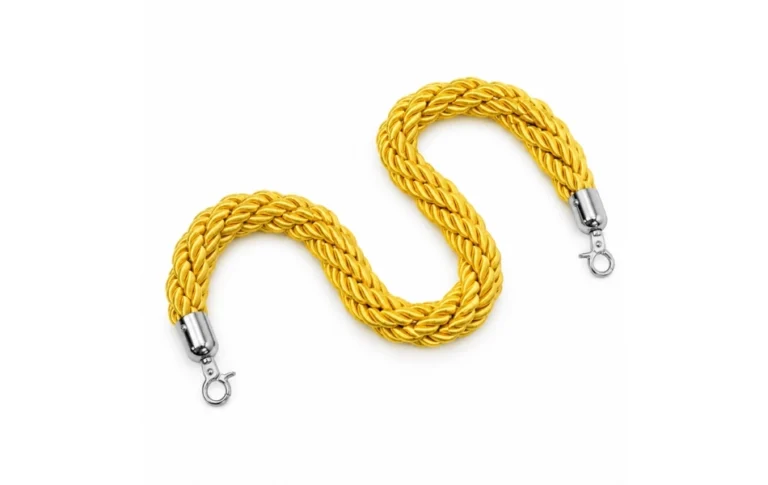
Jute Barrier Rope
Material: Jute fiber
Color: Natural brown
Construction: Twisted strands according to the agreed specification
Diameter: Buyer-specified diameter and tolerance
Length:…

Premium Jute Enterprise is a leading jute rope manufacturer in Bangladesh, producing and exporting natural jute rope, twine, and cord for agriculture, packaging, horticulture, landscaping, furniture, and industrial applications. Our manufacturing range includes twisted jute rope, three strand rope, braided cord, nursery twine, and custom jute rope for international wholesale buyers.
Natural jute ropes are manufactured in different diameters, ply constructions, twists, colors, and lengths. Common commercial rope specifications cover 4 mm to 50 mm diameters, while nursery twine is available in finer 2 mm to 8 mm constructions. Standard supply formats include 50, 100, and 200 meter coils, along with custom spools and bulk packing.
Premium Jute Enterprise supports factory-direct orders, custom manufacturing, quality inspection, and export shipment coordination for importers, distributors, manufacturers, and wholesale buyers.
Material: Jute fiber
Color: Natural brown
Construction: Twisted strands according to the agreed specification
Diameter: Buyer-specified diameter and tolerance
Length:…
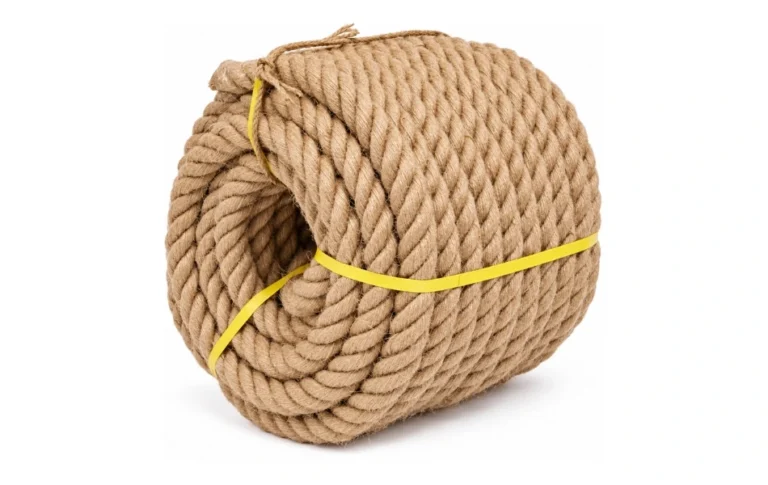
Material: Jute fiber
Color: Natural brown
Construction: Substantial twisted strand construction
Diameter: Buyer-specified diameter and tolerance
Linear density: Weight per…
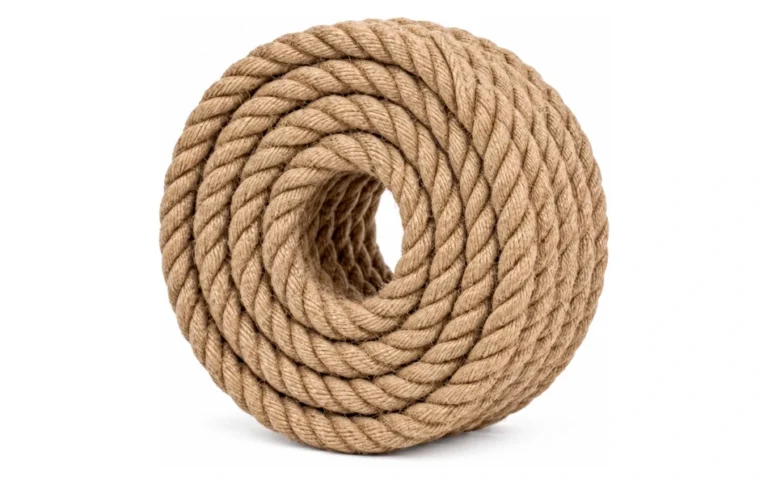
Material: Jute fiber
Color: Natural brown
Construction: Twisted strands with specified twist and lay
Diameter: Buyer-specified diameter and tolerance
Length:…
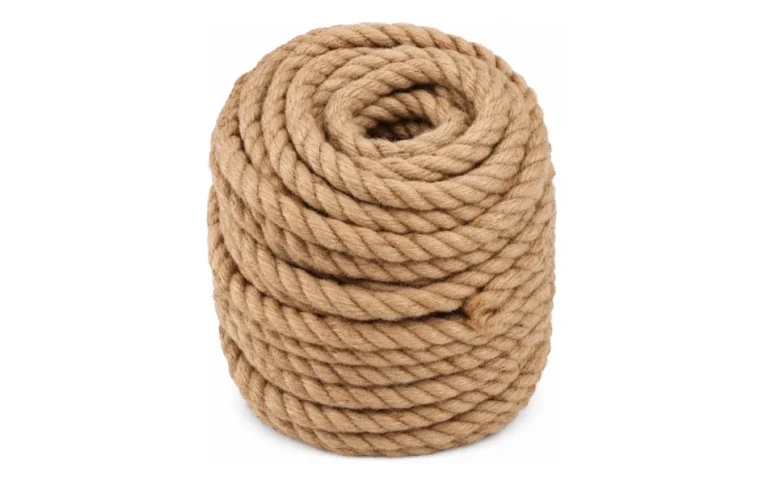
Material: Natural jute fiber
Color: Natural brown
Diameter: Buyer-specified diameter and tolerance
Construction: Strand construction and twist as agreed
Length:…
Jute rope is classified by diameter, yarn construction, ply, number of strands, twist, length, and weight. These characteristics determine the finished rope’s appearance, flexibility, handling, and performance.
The table below presents common commercial jute rope diameters and their applications.
| Rope diameter | Common product type | Applications |
|---|---|---|
| 2 mm | Fine jute twine | Gift wrapping, crafts, product tags |
| 3 mm | Twisted jute twine | Gardening, packaging, decoration |
| 4 mm | Jute cord | Plant tying, crafts, light bundling |
| 6 mm | Twisted jute rope | Agriculture, packaging, nursery work |
| 8 mm | Three strand jute rope | Bundling, gardening, furniture |
| 10 mm | Three strand jute rope | Agriculture, landscaping, utility work |
| 12 mm | Twisted jute rope | Landscaping, barriers, decoration |
| 16 mm | Heavy twisted rope | Industrial bundling, installations |
| 20 mm | Heavy jute rope | Decorative barriers, large structures |
| 25 to 50 mm | Heavy multi-strand rope | Landscaping and specified industrial applications |
These are established commercial size categories. Final strength and carrying performance depend on the actual rope construction, not the diameter alone.
Rope diameter measures the outside thickness of the finished product, expressed in millimeters.
For example, a 6 mm jute rope has a nominal diameter of 6 millimeters, while a 12 mm rope has a nominal diameter of 12 millimeters.
Larger diameters generally require more jute material per meter, but weight and strength also depend on yarn density and strand construction.
For repeat manufacturing orders, the purchase specification includes the nominal diameter and its permitted tolerance.
Jute rope is manufactured by combining yarns into plies and strands.
The main construction terms are:
Ply: The number of yarns or components twisted together.
Strand: A larger component formed from multiple yarns.
Twist: The twisting applied to the yarn or rope.
Rope lay: The direction and arrangement of strands in a laid rope.
Two ropes with the same 8 mm diameter can have different flexibility, weight, surface appearance, and tensile properties when their internal constructions differ.
For technical purchasing, ply, strand count, twist, and rope lay should be specified together.
Jute rope is supplied in continuous coils, spools, reels, balls, and custom cut lengths.
Common commercial packing specifications include:
| Packing type | Common size or weight |
|---|---|
| Twine ball | 500 g or 1 kg |
| Nursery twine spool | 1.8 kg or 2 kg |
| Standard rope coil | 50 meters |
| Medium rope coil | 100 meters |
| Large rope coil | 200 meters |
| Industrial spool | 10 kg, 25 kg, or 50 kg |
| Custom cut rope | Buyer specified length |
The final length and unit weight are determined by rope thickness, construction, and packing requirements.
Breaking strength measures the force required to break a rope during a tensile test.
It depends on the fiber condition, diameter, yarn count, strand construction, twist, and testing method.
For applications involving measurable pulling forces, the technical specification includes the required minimum breaking load and testing method.
Breaking strength is different from safe working load. Natural jute rope supplied for packaging or general utility use is not certified lifting equipment.
Twisted and braided jute ropes have different constructions and applications. The most suitable option depends on the product design, required flexibility, and handling conditions.
| Feature | Twisted jute rope | Braided jute rope |
|---|---|---|
| Construction | Twisted yarns or strands | Interlaced yarns or strands |
| Surface | Spiral pattern | Braided pattern |
| Appearance | Traditional natural rope | More structured decorative surface |
| Flexibility | Depends on twist and lay | Depends on braid construction |
| Applications | Agriculture, packaging, bundling | Furniture, handles, decoration |
| Customization | Diameter, strands, twist, length | Diameter, braid, color, finish |
Twisted jute rope is suitable for agricultural tying, packaging, bundling, landscaping, and general utility applications.
Its construction supports a wide range of diameters and packing formats, making it a practical option for businesses purchasing rope in continuous coils.
Braided jute rope is suited to finished products where appearance and flexibility are major requirements.
Furniture manufacturers, home décor businesses, and bag producers use braided rope for handles, decorative elements, baskets, and other visible applications.
The braid pattern, diameter, and surface appearance are defined before production.
Natural jute rope is used across agriculture, packaging, horticulture, landscaping, furniture, and commercial manufacturing. Different applications require different diameters, constructions, and handling characteristics.
Jute rope is commonly used for crop tying, produce bundling, agricultural packaging, and general farm operations.
Fine twine is used for lighter tying tasks, while thicker twisted rope provides a more substantial construction for larger bundles and general handling.
For agricultural applications, the required diameter and strength are selected according to the load, handling method, and exposure conditions.
Natural jute twine is widely used by gardening suppliers, nurseries, and horticultural businesses.
Common applications include:
Plant tying and support
Nursery bundling
Tree and shrub support
Garden decorations
Root-ball work
Horticultural packaging
Fine twine in the 2 mm to 4 mm range is commonly used for plant tying, while thicker constructions are selected for more substantial applications.
Jute absorbs moisture, so outdoor exposure and expected service life should be considered when choosing the rope.
Twisted jute rope and fine twine are used for carton tying, product wrapping, parcel packaging, and commercial bundling.
Packaging manufacturers order rope according to the required thickness, length, and dispensing format.
For continuous packaging operations, consistent winding and rope diameter help prevent feeding problems and material waste.
Jute rope is used in furniture manufacturing, basket production, decorative lighting, handles, wall features, and interior accessories.
Common material requirements include consistent diameter, color, flexibility, and surface texture.
Braided and twisted constructions are both used, depending on the finished product design.
Natural jute rope is used for garden structures, landscape features, decorative fencing, natural barriers, and selected outdoor installations.
Medium and larger rope diameters provide a substantial appearance for decorative applications.
Because jute is a natural fiber, prolonged exposure to moisture and wet soil affects durability. Permanent structural applications require a suitable material and documented performance specification.
Fine jute twine and cord are used for gift wrapping, product tags, craft manufacturing, macramé, decorative accessories, and promotional packaging.
Retail businesses commonly require smaller balls or spools with controlled length, weight, color, and labels.
Custom winding and packing allow bulk quantities to be supplied for further processing or retail distribution.
Premium Jute Enterprise manufactures custom jute rope according to buyer requirements. Rope construction, diameter, twist, color, length, and packing are defined in the approved production specification.
Customization covers agricultural, commercial, decorative, and industrial requirements.
| Specification | Customization options |
|---|---|
| Material | Natural jute fiber |
| Product type | Twisted rope, braided rope, twine, cord |
| Diameter | Standard or custom millimeter size |
| Ply | Single ply or multiple ply |
| Strands | Two strand, three strand, or specified |
| Twist | Custom twist and rope lay |
| Color | Natural, bleached, dyed |
| Length | Standard or custom |
| Coil weight | Buyer specified |
| Strength | Required breaking load and test method |
| Winding | Coil, spool, ball, reel, hank |
| End finishing | Plain cut, wrapped, tied, or specified |
| Labeling | Standard or custom branding |
| Export packing | Cartons, bags, bales, pallets |
Rope diameter and strand construction are customized according to the intended application.
For example, a packaging company can specify 6 mm twisted jute rope in 100 meter coils. A furniture manufacturer can order 10 mm braided cord with a particular surface finish.
Technical specifications are established before bulk manufacturing to maintain consistency between production and the approved sample.
Natural, bleached, and dyed rope constructions are available for commercial and decorative manufacturing.
Color-sensitive orders use approved references to define the required shade and acceptable tolerance.
The finishing requirements are combined with the diameter, construction, quantity, and packing specification.
Rope can be supplied in 50, 100, or 200 meter coils, as well as industrial spools and custom cut lengths.
For repeat manufacturing, the specified winding method and package dimensions help ensure consistent handling and dispensing.
Retail orders can also include branded labels, unit packaging, and master cartons.
Jute rope manufacturing involves preparing natural jute fiber, spinning yarn, forming strands, twisting or braiding, and finishing the rope for packing.
Premium Jute Enterprise follows specification-based manufacturing to meet the required diameter, construction, length, and handling characteristics.
Natural jute fiber is selected and prepared for spinning. Fiber preparation includes softening, carding, and drawing to improve the consistency of the material entering the spinning process.
Fiber cleanliness and condition affect the finished yarn and rope appearance.
Prepared fiber is spun into jute yarn with the required count and twist characteristics.
The yarn specification is selected according to the intended rope diameter and construction.
Spun yarns are combined to form the required plies and strands.
The twisting process establishes the rope’s internal structure, surface pattern, flexibility, and finished diameter.
For three strand rope, three prepared strands are twisted together into a laid rope construction.
The prepared yarn or strands are formed into twisted or braided rope according to the product specification.
Natural, bleached, and dyed finishes are applied according to the order requirements.
The finished rope is prepared for winding or cutting.
Finished rope is checked against the approved diameter, construction, length, weight, color, and packing specifications.
Products are then wound into coils, spools, reels, or balls, or prepared as custom cut lengths for shipment.
Wholesale jute rope prices in Bangladesh depend on diameter, material quality, strand construction, twist, weight, finishing, and order quantity. Factory quotations are calculated against the confirmed rope specification and agreed delivery terms.
Published Bangladesh export offers for specified natural twisted ropes in the 2 mm to 16 mm diameter range include indicative prices of approximately US$1.10 to US$1.35 per kg, with advertised minimum orders of around 15 metric tons.
These are commercial market reference prices, not Premium Jute Enterprise’s fixed selling rates. Actual factory prices are confirmed through a quotation.
The main pricing factors include:
Raw jute and yarn cost: Fiber quality, yarn count, and material consumption influence production costs.
Rope diameter: Larger ropes generally require more fiber per running meter.
Ply and strand construction: More complex constructions require additional manufacturing operations.
Twist and finishing: Rope lay, dyeing, bleaching, and surface finishing affect production requirements.
Order quantity: Bulk production volume influences material planning and unit cost.
Packing: Industrial spools, retail balls, coils, labels, and cartons have different packing costs.
Export terms: Freight, insurance, and other charges depend on the agreed Incoterm.
Jute rope can be quoted by kilogram, metric ton, meter, or finished coil.
To compare prices accurately, the rope’s weight per meter must be known.
For example, consider a rope weighing 50 grams per meter:
| Measurement | Calculated value |
|---|---|
| Rope length | 100 meters |
| Linear density | 50 g/meter |
| Total rope weight | 5 kg |
| Example unit price | US$1.20/kg |
| Calculated rope cost | US$6.00 |
This calculation illustrates the conversion between weight and length. It does not represent a tested 6 mm or 8 mm rope specification or a Premium Jute Enterprise quotation.
Actual pricing is based on the approved product weight, construction, quantity, packing, and shipment terms.
Bulk quotations are prepared according to the rope type, diameter, ply, strand count, length, color, quantity, and packing requirements.
For international orders, the destination port and preferred Incoterm are also included in the quotation.
Premium Jute Enterprise supplies jute rope in bulk packing formats for international wholesalers, manufacturers, and distributors.
The packing method is selected according to rope diameter, coil weight, order quantity, and handling requirements.
Commercial rope orders commonly use 50, 100, and 200 meter coils.
Industrial coils and spools can also be specified by unit weight, including 10, 25, and 50 kg formats.
Fine nursery twine is supplied in smaller balls and spools suitable for retail conversion, agricultural distribution, and packaging operations.
Each order specifies the winding method, unit weight, wrapping, labeling, and packing quantity.
Jute rope is exported in full container loads for large wholesale orders.
Published commercial loading configurations from Bangladesh include approximately 12 to 13 metric tons in a 20-foot container and around 26 metric tons in a 40-foot container.
These figures are planning references. Final loading depends on coil dimensions, packing density, gross weight, container payload limits, and the shipment plan.
Container packing is confirmed against the finished order specification before loading.
Bulk jute rope shipments are coordinated through Bangladesh’s export infrastructure, including Chattogram and Mongla ports.
Commercial arrangements cover export packing, invoice details, inspection requirements, documentation, and agreed shipping terms.
FOB, CFR, and CIF quotations are prepared according to the destination and purchase requirements.
Premium Jute Enterprise follows quality inspection procedures based on the approved rope specification. Inspection focuses on measurable product characteristics that affect the buyer’s manufacturing or packaging operations.
Finished rope is checked for nominal diameter, ply, strand count, twist, and construction.
For repeat orders, approved measurements and tolerances provide a consistent production reference.
Coils and spools are inspected for specified length, unit weight, and winding quality.
For custom cut rope, inspection includes finished cut length and end finishing.
Industrial rope orders requiring tensile performance are evaluated against the agreed breaking load and test method.
Breaking load must be established through appropriate testing. It cannot be determined reliably from the nominal diameter alone.
Natural and dyed rope is checked against the approved appearance requirements.
Packing inspection covers coil condition, unit quantity, wrapping, labels, cartons, and shipping marks.
Buyer-appointed third-party inspection can be coordinated according to the purchase agreement.
Premium Jute Enterprise is a Bangladesh-based jute products manufacturer and exporter supplying natural fiber products to international B2B buyers.
Manufacturing capability, specification control, and export coordination support commercial rope, twine, and cord orders.
Premium Jute Enterprise manufactures twisted jute rope, braided cord, and natural jute twine for agricultural, packaging, horticultural, commercial, and industrial applications.
Production requirements are defined through rope diameter, ply, strand count, twist, and finished length.
Custom orders cover rope construction, color, unit weight, winding, end finishing, and packaging.
Approved samples and technical specifications provide a reference for manufacturing and quality inspection.
Premium Jute Enterprise’s wider jute manufacturing operations include a 120,000 to 160,000 sq ft facility in Khulna, Bangladesh.
The company’s manufacturing operations cover spinning, weaving, finishing, and finished jute products, with a reported combined monthly production capacity of 800 to 1,100 metric tons across its jute product range.
That capacity represents the wider manufacturing operation rather than a separate guaranteed rope production capacity.
International buyers can source jute rope in coils, spools, reels, balls, or custom lengths.
Export coordination covers order specifications, manufacturing, inspection, packing, and shipment preparation.
Bulk jute rope purchasing begins with a clear product specification and required quantity. The quotation process establishes the rope construction, commercial terms, and export arrangements before production.
Provide the rope type, diameter, ply, strand construction, length, order quantity, color, and packing requirements.
The following example shows a complete purchasing specification.
| Requirement | Example |
|---|---|
| Product | Natural twisted jute rope |
| Material | 100% natural jute |
| Diameter | 6 mm |
| Construction | Three strand |
| Length | 100 meters per coil |
| Color | Natural brown |
| Quantity | 12 metric tons |
| Packing | Coils |
| Destination | Buyer specified port |
This is an example of how to describe a bulk order, not a fixed Premium Jute Enterprise product offer.
The commercial team reviews the required construction, quantity, finishing, packing, and destination.
The quotation establishes the product specifications, MOQ, price, payment terms, and production schedule.
Product samples are approved before manufacturing where required.
Jute rope is manufactured according to the approved order specifications.
Finished products are inspected, wound, packed, and prepared for international shipment under the agreed commercial terms.
What types of jute rope does Premium Jute Enterprise manufacture?
Premium Jute Enterprise manufactures natural twisted jute rope, three strand rope, braided rope, jute twine, jute cord, and custom finished rope. These products are used in packaging, agriculture, horticulture, landscaping, furniture, crafts, and commercial manufacturing.
Common commercial jute rope diameters range from 4 mm to 50 mm, while fine nursery twine is available in 2 mm to 8 mm constructions. Custom specifications are confirmed according to the required strand construction and manufacturing requirements.
Published Bangladesh bulk export offers for selected natural twisted jute rope include approximately US$1.10 to US$1.35 per kg. Actual wholesale prices depend on diameter, construction, quantity, finishing, packing, and delivery terms.
Jute twine is generally finer and is used for tying, gardening, packaging, and crafts. Jute rope has a larger diameter and more substantial strand construction for bundling, landscaping, and other utility applications.
Yes. Custom jute rope manufacturing covers diameter, ply, strand construction, twist, length, color, finishing, winding, and export packing. Orders are manufactured according to the approved technical specifications.
Jute rope strength depends on fiber quality, diameter, yarn count, twist, and strand construction. Industrial applications requiring a defined strength use a minimum breaking load and agreed testing method.
Natural untreated jute rope is biodegradable under suitable environmental conditions. Decomposition depends on moisture, temperature, soil conditions, and material treatment. Added synthetic coatings can change the finished product’s environmental properties.
Standard natural jute rope is not waterproof. Jute absorbs moisture, and prolonged exposure to wet conditions can affect the rope’s strength, appearance, and service life.
Jute rope is used outdoors for gardening, landscaping, horticulture, decorative fencing, and temporary installations. Long-term exposure to rain, humidity, and wet soil affects its durability.
Common commercial lengths include 50, 100, and 200 meters. Jute rope is also supplied in custom lengths and industrial spools weighing 10, 25, or 50 kg, depending on the rope specification.
Published Bangladesh export packing examples indicate approximately 12 to 13 metric tons in a 20-foot container and around 26 metric tons in a 40-foot container. Final capacity depends on packing dimensions, gross weight, and container limits.
Minimum order quantity depends on the rope diameter, strand construction, finishing, and packing. Commercial bulk export offers commonly use container quantities of approximately 12 to 15 metric tons, while customized orders are quoted against their manufacturing requirements.
Yes. Premium Jute Enterprise manufactures and exports natural jute rope, twine, and cord from Bangladesh for international importers, wholesalers, manufacturers, and distributors. Bulk shipments are coordinated according to the agreed specifications, packing, and delivery terms.
Premium Jute Enterprise manufactures natural jute rope, twisted rope, braided cord, and jute twine for agriculture, packaging, horticulture, landscaping, furniture, and industrial applications.
As a jute rope manufacturer in Bangladesh, Premium Jute Enterprise supplies custom and wholesale orders based on approved diameters, strand constructions, lengths, finishes, and export packing specifications.
Send your product requirements, order quantity, and destination to receive a factory quotation.