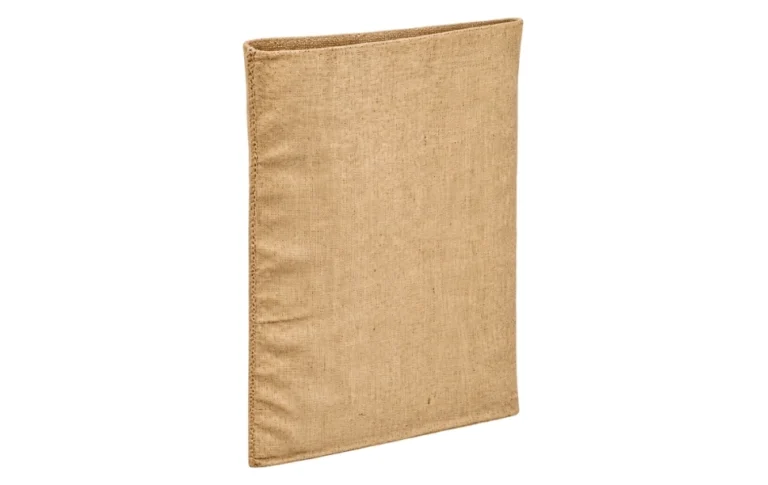
Custom Hessian Bag
- Body material: Woven jute hessian / burlap
- Construction: Flat or gusseted format, specified with the order
- Dimensions: Width × height…

Premium Jute Enterprise is a leading jute hessian bag manufacturer in Bangladesh, supplying natural jute bags and burlap sacks to importers, wholesalers, agricultural businesses, and packaging distributors worldwide. We manufacture hessian bags for coffee, cocoa, potatoes, onions, grains, seeds, and other commercial packaging applications.
Our product range includes standard hessian bags, lightweight potato sacks, large agricultural bags, burlap sacks, and custom-printed packaging. Available specifications include bag sizes from 50 × 80 cm to larger commodity formats, with fabric weight, weave construction, stitching, treatment, and export packing tailored to buyer requirements.
We support wholesale orders, product customization, quality inspection, and international shipment coordination.
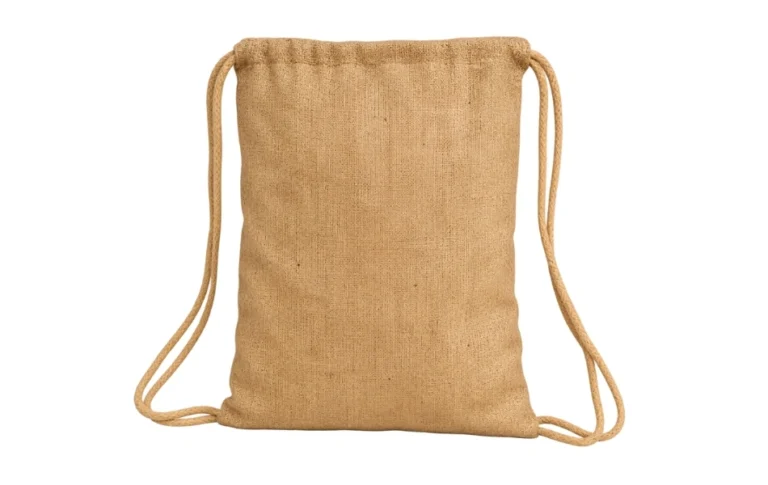
Body material: Woven jute hessian / burlap
Typical pouch size: 10 × 15 cm / 3.94 × 5.91 inches, width…
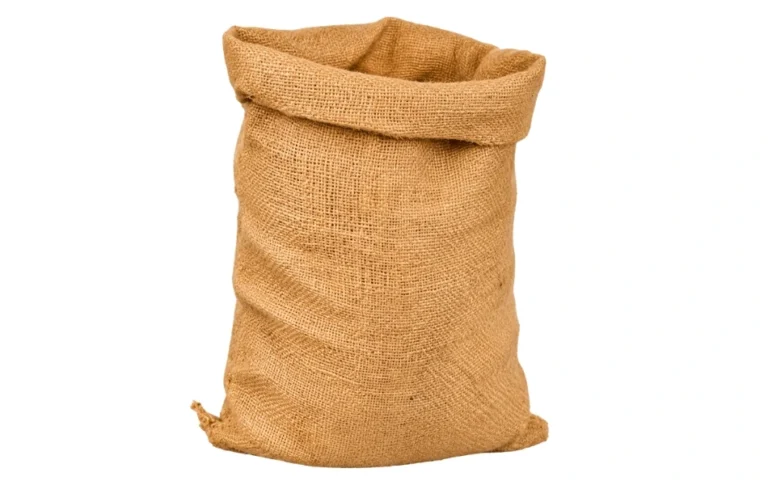
Material: Fine woven jute hessian / burlap
Construction: Plain weave; density and yarn specification agreed by grade
Fabric weight: Specified…
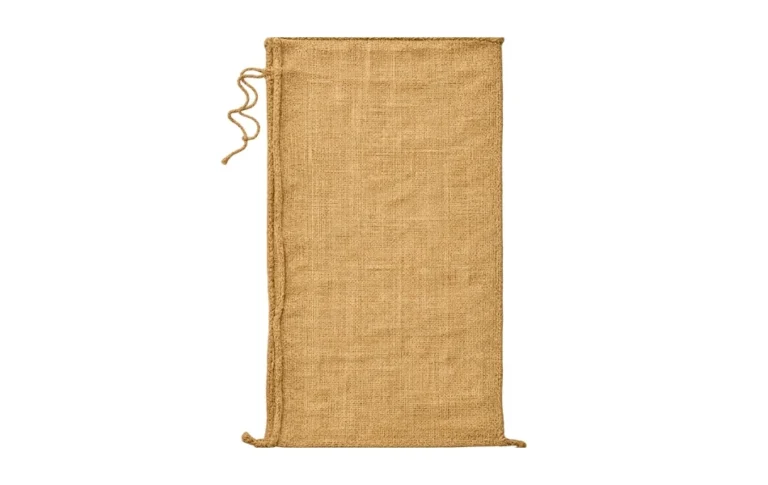
Material: 100% natural jute hessian / burlap
Typical empty size: 35.6 × 66.0 cm / 14 × 26 inches, width…
Material and construction: Plain-woven jute hessian / burlap
Typical size: 101.6 × 71.1 cm / 40 × 28 inches, length…
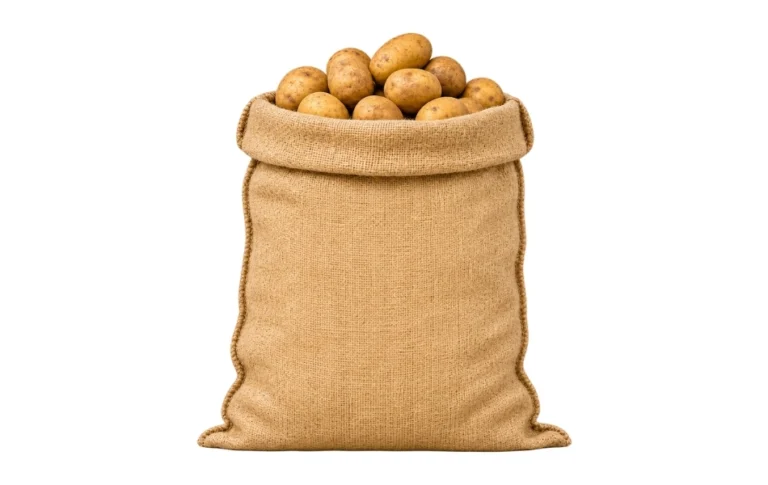
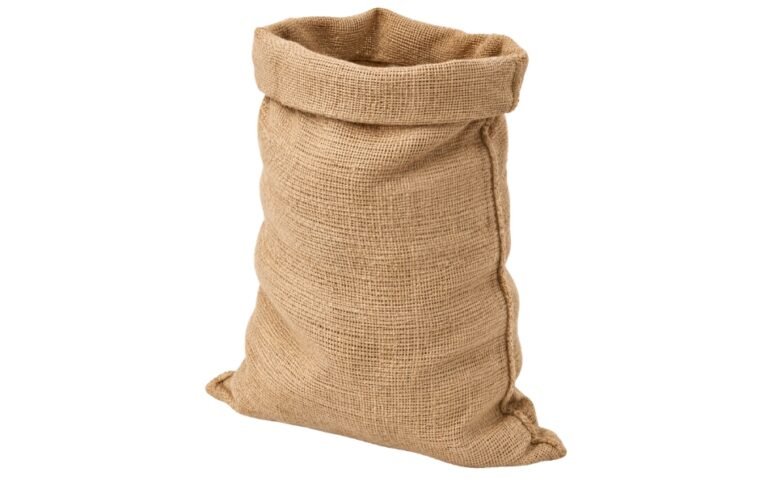
Material: Woven jute hessian fabric
Common size: 50 × 80 cm
Bag weight: Approx. 193 g
Construction: 9 × 7…
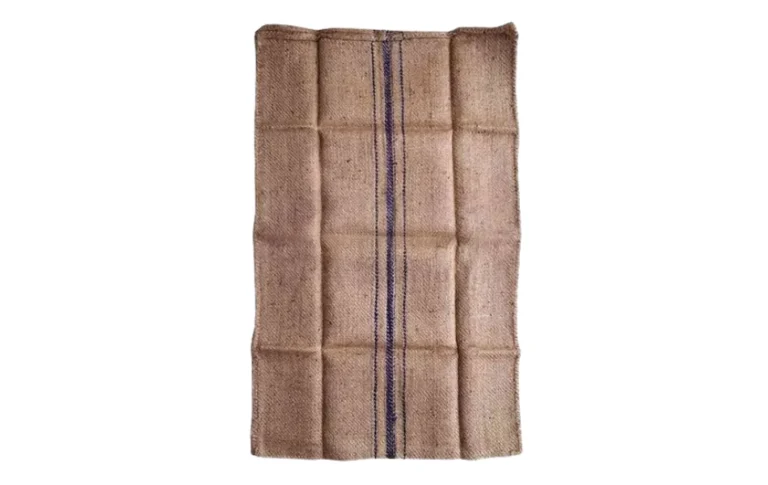
Material: Woven jute hessian / burlap fabric
Common size: Approx. 115 × 70 cm
Bag weight: Approx. 515 g
Construction:…
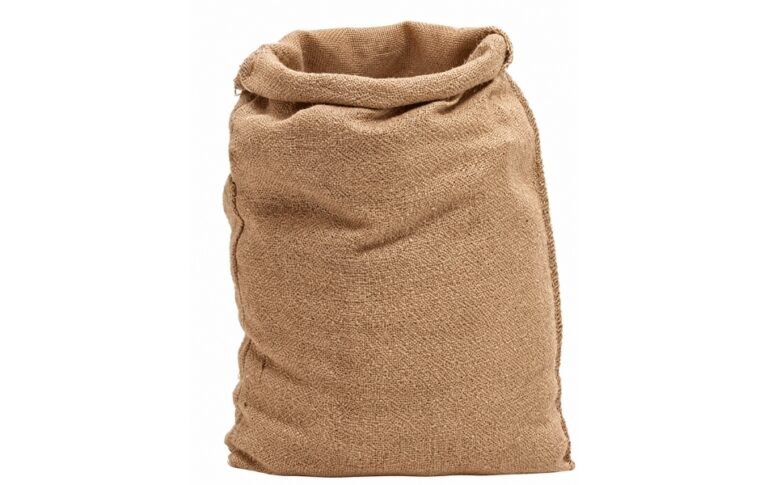
Material: Woven jute
Common size: Approx. 94 × 57 cm / 37 × 22.5 inches
Bag weight: Approx. 665–753 g,…
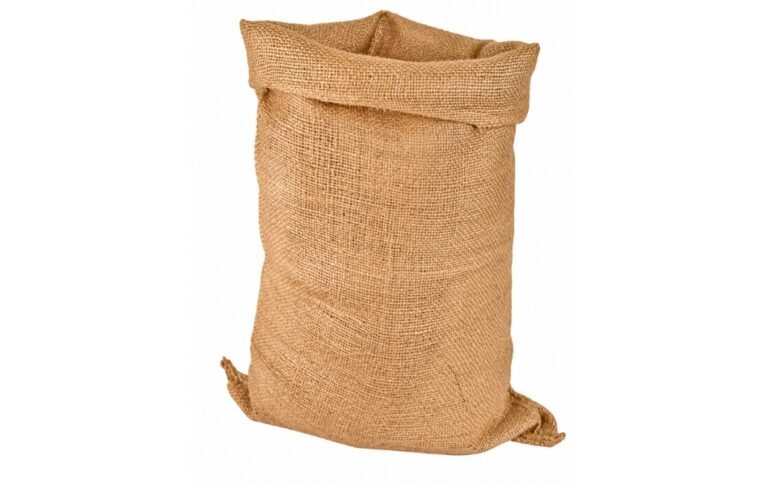
Material: Woven jute hessian / burlap fabric
Common size: Approx. 40 × 28 inches
Bag weight: Approx. 465–500 g, depending…
Hessian bag dimensions and fabric construction vary according to the commodity being packed. For bulk purchasing, buyers should compare the actual bag weight, weave density, filling capacity, and seam construction rather than relying on the product name alone.
The following table compares commonly available hessian and burlap bag specifications.
| Hessian bag type | Common dimensions | Empty weight | Filling capacity |
|---|---|---|---|
| Hessian Potato Bag | 50 × 80 cm | 193 g | 25 kg |
| Large Potato Hessian Bag | 60 × 110 cm | 385 g | 25 kg |
| Large Hessian Bag | 115 × 70 cm | 515 g | Application dependent |
| Burlap / Gunny Sack | 94 × 57 cm | 665–753 g | 40–50 kg |
| Standard Hessian Bag | 102 × 71 cm | 465–500 g | Application dependent |
These are commercial reference specifications. The actual load capacity must be confirmed for the selected fabric, seams, contents, and handling conditions.
GSM stands for grams per square meter. It measures the weight of a fabric over a defined area. For example, a 300 GSM hessian fabric weighs 300 g per square meter before being cut and sewn into a finished bag.
Hessian fabric is typically woven using a plain weave. Its construction is also described using porter and shot counts, which refer to the yarn arrangement in the woven material.
Common commercial specifications include:
| Hessian fabric construction | Porter and shot | Example application |
|---|---|---|
| Lightweight hessian | 9 × 7 | 193 g potato sacks |
| Medium-weight hessian | 10 × 11 | 385 g agricultural bags |
| Finer commodity hessian | 11 × 12 | 465–515 g commodity bags |
The completed bag’s strength depends on more than GSM. Yarn quality, weave density, dimensions, stitching, and seam construction also affect performance.
Hessian bags are manufactured for different filling weights. Common agricultural packaging requirements include 25 kg and 40–50 kg, while coffee and cocoa exporters may specify 60 kg or 69 kg bags.
These figures describe the intended filling weight, not a universal safe load for every bag with the same dimensions.
For heavy commodities, buyers should confirm seam strength, fabric construction, and handling requirements before approving the specification.
Hessian bags can be produced in plain, printed, dyed, laminated, and custom-shaped constructions. Each version serves a different packaging purpose, so the selection should depend on the product and how the bag will be handled.
Plain hessian bags are manufactured from natural woven jute without decorative surface finishing. They are commonly used for agricultural goods, commodity packaging, and industrial applications.
These bags can be supplied with hemmed or selvedge mouths and different stitching methods. Fabric construction and bag weight are selected according to the intended load.
Lightweight hessian bags are useful where lower packaging weight and breathable fabric are sufficient.
For example, a 193 g potato bag can be suitable for a 25 kg packing requirement under its specified construction. A heavier 385 g bag may be selected when a larger size or different handling specification is needed.
Heavy hessian bags provide more substantial fabric construction for applications requiring additional material weight or strength.
The choice should be based on product requirements rather than assuming the heavier bag is always better.
Printed hessian bags are used for branded packaging, product identification, and export markings.
Printing can include company logos, commodity names, product grades, net weight, batch numbers, and shipping instructions.
The woven surface affects print sharpness, so artwork should be approved before bulk production. Small text and detailed graphics may require adjustment to suit the fabric texture.
Dyed hessian bags are used where color is part of the product presentation or packaging specification.
Laminated hessian bags combine woven jute with an additional surface layer. Lamination can change the appearance and moisture behavior of the bag, but it also reduces the breathability of the original woven fabric.
For products requiring airflow, such as some fresh agricultural produce, the effect of lamination should be considered carefully.
Gusseted hessian bags contain additional folded material that provides more internal volume. Drawstring bags use a cord closure instead of a permanently sewn opening.
These options are commonly selected for retail, gifts, specialty products, and certain agricultural applications.
Buyers should confirm gusset depth, closure construction, and intended load before production.
Hessian bags are widely used for storing, handling, and transporting agricultural commodities. Their natural woven construction makes them suitable for products that need flexible packaging and some air circulation.
The correct bag depends on the commodity’s weight, size, moisture sensitivity, and handling conditions.
Hessian bags are commonly used for green coffee and cocoa beans during storage and export. Coffee exporters frequently use 60 kg and 69 kg sack formats, although the actual dimensions vary by market and buyer.
The main purchasing requirements include fabric cleanliness, weave construction, bag weight, treatment, printing, and moisture management.
Standard hessian allows air movement but does not create a moisture barrier. Coffee and cocoa buyers may therefore specify liners or additional protection.
Hessian potato bags are used for produce that requires ventilation during storage and transportation.
A common 25 kg potato bag measures 50 × 80 cm and weighs approximately 193 g. The woven construction allows air circulation, although suitable temperature, humidity, and storage practices remain necessary.
Onion and potato distributors should confirm the bag’s dimensions, filling weight, stitching, and handling requirements.
Hessian sacks are also used for rice, wheat, pulses, seeds, nuts, and other dry agricultural products.
For smaller grains or fine materials, weave density and liner requirements matter because loose particles may pass through an open fabric.
Buyers should specify the required capacity and determine whether the product needs additional protection against moisture or contamination.
Hessian bags can be used for selected industrial products, gardening materials, commercial goods, and retail packaging.
Industrial packaging normally prioritizes fabric strength and seam performance. Retail packaging is more likely to require custom printing, handles, gussets, colors, or drawstring closures.
Premium Jute Enterprise supports customized hessian bag production for importers, wholesalers, and packaging businesses. We can work from buyer-provided dimensions, approved samples, or technical specifications.
Customization options include:
Bag dimensions and gusset depth.
Fabric GSM, weight, and weave density.
Mouth finish and stitching method.
Single-color or multicolor printing.
Natural or dyed fabric.
Vegetable oil treatment and other agreed requirements.
Inner liners and lamination.
Export bale quantities and marking.
For example, a buyer may request a 50 × 80 cm potato sack using 9 × 7 porter and shot with a 193 g bag weight, custom identification stripes, and 1,000 bags per bale.
Defining these details before production provides a consistent reference for sampling, pricing, and inspection.
Wholesale hessian bag prices vary by size, fabric weight, construction, order quantity, and finishing. As an indicative market reference, published bulk listings for standard 400–500 g hessian sacks range from approximately US$0.60 to US$1.07 per bag, with listed minimum quantities of around 30,000–42,000 pieces.
This is a reference range from advertised market offers, not a confirmed Premium Jute Enterprise selling price. Actual quotations depend on the approved specification, purchase volume, and delivery terms.
The main cost factors are:
Bag weight: A 193 g lightweight potato sack requires less jute material than a 515 g large hessian bag.
Dimensions: Larger bags generally require more fabric.
Weave construction: Yarn density and fabric specification affect material consumption and manufacturing cost.
Printing: Artwork complexity, print colors, and print coverage affect finishing costs.
Treatment and liners: Special treatment, lamination, and inner liners add manufacturing requirements.
Order quantity: Larger production runs can affect unit pricing.
Export terms: FOB, CFR, and CIF quotations include different cost responsibilities.
When comparing suppliers, the quoted unit price should be checked against the same technical specification and Incoterm.
A published wholesale listing for a 37 × 22.5 inch hessian bag weighing 450–500 g shows a negotiable unit price of US$1.00–US$1.07 at an order quantity of at least 42,000 pieces.
At that unit rate, the product-only value of a 42,000-piece order would be approximately US$42,000–US$44,940, before any additional charges not included in the quoted price.
This example illustrates the relationship between unit cost and total purchase value. It should not be treated as a price quotation from Premium Jute Enterprise.
For a manufacturing quotation, send the bag size, weight or GSM, weave specification, carrying capacity, quantity, printing requirements, and destination.
A precise quotation is more useful than a broad price estimate because two hessian bags with the same dimensions can have different fabric weights and manufacturing costs.
Hessian bags are commonly compressed into bales for wholesale shipment. Bale packing reduces handling volume and allows products to be counted and loaded in bulk.
The number of bags per bale varies according to the size, weight, and construction.
| Hessian bag type | Bag weight | Common export packing |
|---|---|---|
| Hessian Potato Bag, 50 × 80 cm | 193 g | 1,000 bags/bale |
| Large Potato Bag, 60 × 110 cm | 385 g | 1,000 bags/bale |
| Large Hessian Bag, 115 × 70 cm | 515 g | 1,000 bags/bale |
| Burlap / Gunny Sack, 94 × 57 cm | 665–753 g | 500 bags/bale |
| Standard Hessian Bag, 40 × 28 in | 465–500 g | Up to 1,000 bags/bale |
For the 50 × 80 cm, 193 g potato sack, a published commercial packing configuration uses approximately 80 bales of 1,000 bags in a 20-foot container. This represents approximately 80,000 empty bags, subject to the actual compressed bale dimensions and loading plan.
Container quantities should be confirmed before shipment. Bag weight, compression, packing materials, container payload limits, and handling requirements can change the final loading quantity.
Premium Jute Enterprise manufactures and supplies woven jute packaging for international buyers who need defined product specifications and bulk-order coordination.
Our focus is on matching the material, dimensions, construction, and finishing to the buyer’s intended application.
We supply agricultural hessian sacks, burlap bags, coffee and cocoa packaging, potato bags, and customized jute products.
Buyers can specify their required quantities, bag weights, fabric construction, and export packing before confirming an order.
Product inspections can cover fabric weight, dimensions, porter and shot, stitching, printing, treatment requirements, and bale packing.
For specification-sensitive orders, buyers can provide inspection tolerances or request third-party inspection arrangements before production.
Premium Jute Enterprise coordinates hessian bag exports from Bangladesh to overseas buyers.
Shipments can be arranged through Bangladeshi export ports, including Chattogram and Mongla, according to the agreed logistics arrangements.
We support commercial discussions involving FOB, CFR, and CIF pricing, with final terms confirmed during quotation.
Wholesale purchasing begins with confirming the product specification and quantity. The information supplied during inquiry helps determine the available manufacturing options and quotation.
Provide the required dimensions, fabric weight, intended capacity, quantity, printing, treatment, and destination.
For example, you may request a 50 × 80 cm potato bag weighing 193 g, with a 25 kg filling capacity and custom markings.
Our team reviews the requirements and confirms available options, order quantity, pricing, packing, and production conditions.
Samples or technical specifications can be approved before bulk manufacturing.
Bags are manufactured according to the approved requirements, checked for specification compliance, and packed for shipment.
Export documentation and logistics are coordinated according to the destination and agreed delivery terms.
These answers address common questions from importers and packaging businesses purchasing wholesale hessian bags from Bangladesh.
A hessian bag is a packaging bag made from woven natural jute fiber. It is commonly used for agricultural products, coffee, cocoa, grains, potatoes, onions, and other compatible goods. Hessian is also called burlap in several international markets.
Common hessian bag dimensions include 50 × 80 cm for potato packaging, 94 × 57 cm for certain gunny sacks, 102 × 71 cm for commodity bags, and 115 × 70 cm for large agricultural bags. Custom dimensions can also be manufactured.
The empty weight depends on the size and fabric construction. Common commercial examples include 193 g potato bags, 385 g larger potato bags, 465–500 g standard hessian bags, and 665–753 g burlap or gunny sacks.
Published wholesale market listings for approximately 400–500 g hessian sacks include prices around US$0.60–US$1.07 per piece at large order quantities. Actual manufacturer quotations vary according to dimensions, fabric weight, printing, treatment, quantity, and shipping terms.
Standard woven hessian bags are not waterproof. Natural jute absorbs moisture, and the woven structure allows air and some moisture movement. Liners or lamination may provide additional protection, depending on the required packaging performance.
Carrying capacity depends on the design. Some 50 × 80 cm potato bags are specified for approximately 25 kg, while 94 × 57 cm burlap sacks may be specified for 40–50 kg. Heavier applications require an appropriate fabric and seam construction.
Yes. Hessian bags can be printed with logos, company names, commodity information, identification marks, and shipping instructions. Printing requirements should be confirmed through approved artwork before production.
Hessian bags are commonly used for coffee, cocoa, grains, and agricultural commodities. Food-contact suitability depends on the material, treatment, contamination controls, testing, and applicable buyer or destination-market requirements.
Many commercial hessian bag specifications use approximately 500 or 1,000 bags per bale, depending on the bag’s dimensions and weight. Final bale quantities should be confirmed against the export packing specification.
Yes. International buyers can source bulk hessian bags from Bangladesh manufacturers and exporters. Orders normally require confirmed technical specifications, quantities, commercial terms, export documents, and shipment arrangements.
Premium Jute Enterprise supplies hessian bags, burlap sacks, and custom woven jute packaging for international importers, wholesalers, and agricultural businesses. Our products are available in different dimensions, fabric weights, constructions, and packing formats.
If you are looking for the best hessian bag manufacturer in Bangladesh, share your product specifications, required quantity, and destination. We can review your requirements and provide a wholesale quotation based on the selected bag construction and shipment terms.