
Jute Sack Bags Manufacturer and Supplier for Brazil
We manufacture jute coffee bags, cocoa bean sacks and cashew bags in Bangladesh for Brazilian packaging importers, coffee exporters and agricultural businesses. Whether you need 60 kg coffee sacks for a warehouse in Minas Gerais or raw-cashew bags for a processor in Ceará, we work from your required fabric, bag size, sewing and treatment specification. Send your order details for a bulk export quotation.
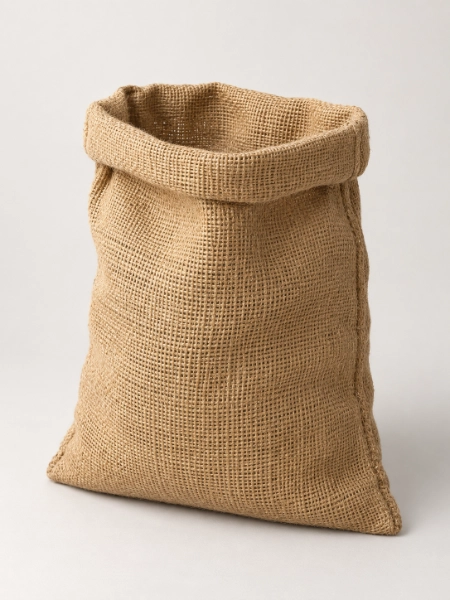
How We Help Brazilian Buyers Source the Right Jute Sack Bags
A Brazilian coffee shipment may be sold in 60 kg sacks, but that figure alone does not identify the bag. Cocoa and in-shell cashews also have different storage and handling needs. We help buyers specify the actual packaging before they commit to a container.
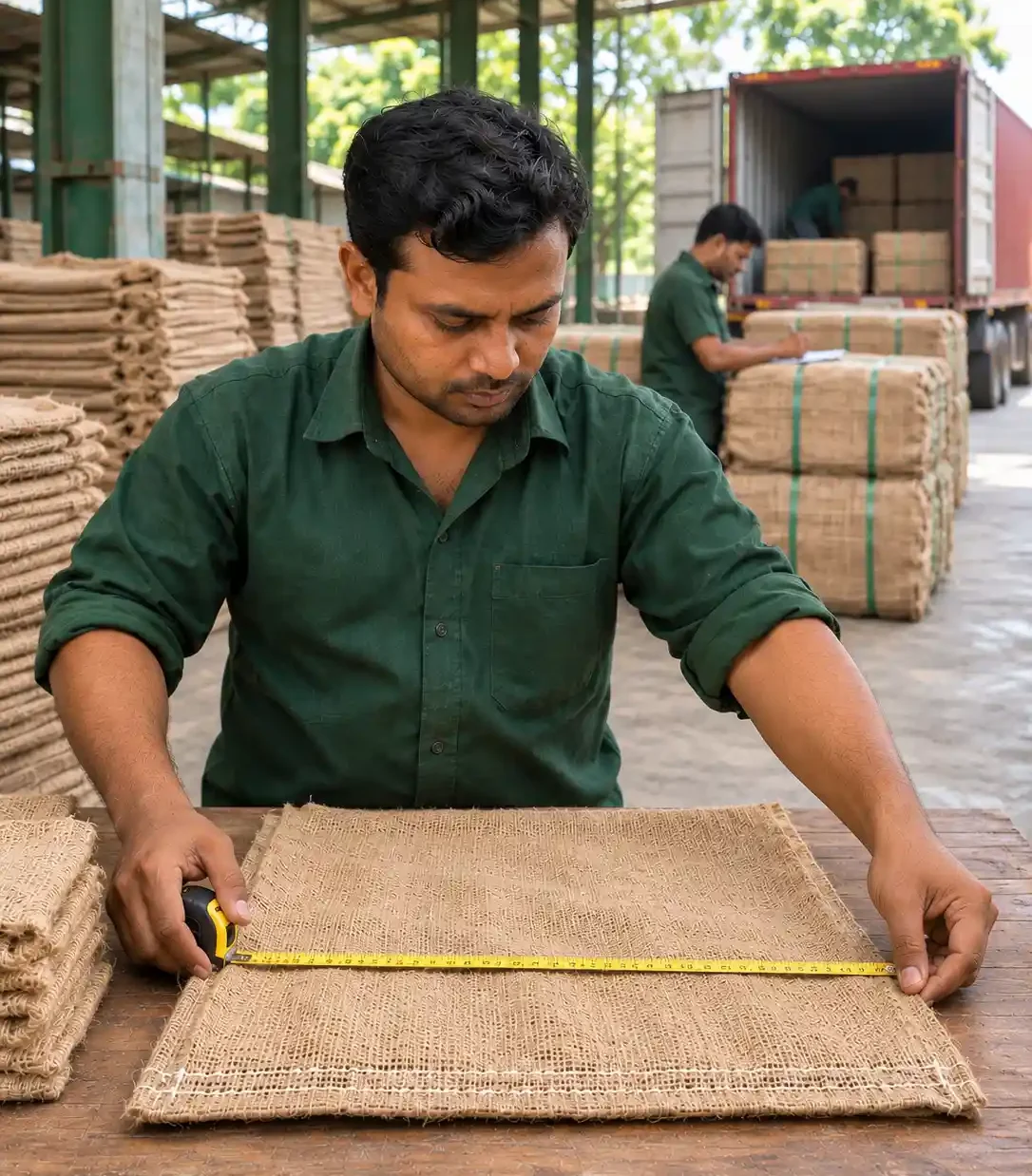
Sourcing Problems Brazilian Buyers Face
- A quoted 60 kg sack does not match the size or weave used by the packing line
- Coffee or cocoa bags arrive with an unapproved odour, treatment or printing ink
- The supplier substitutes a different hessian grade without updating the sample
- Raw-cashew sacks are confused with packaging intended for processed kernels
- Importers lack clear bale weights and freight details for their landed-cost calculations
What We Provide for Your Order
- Written bag dimensions, empty weight, weave and stitching for each product
- New jute sacks reviewed against the intended commodity and packing method
- Buyer-approved cleanliness, treatment and liner requirements before production
- Samples and artwork checks for origin, brand and lot identification
- Bale-level packing details and agreed export documents for your Brazilian importer
Wholesale Jute Sack Bags for in Brazil
Brazilian buyers often call these products sacos de juta or sacaria de juta. We manufacture separate jute sack configurations for green coffee, dried cocoa beans and raw in-shell cashews. The reference specifications below are starting points for an order, not a universal bag standard or a certified filling capacity.
Jute Coffee Bags
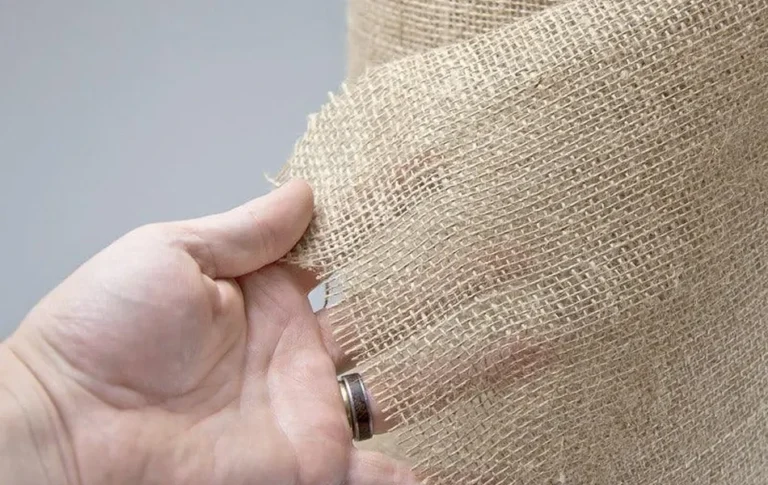
We manufacture woven jute coffee bags for Brazilian coffee exporters, cooperatives and dry mills handling green Arabica and Conilon beans. The 60 kg sack is a familiar trade format, but your actual bag size, fabric construction and mouth finish should match the warehouse and export buyer’s instructions.
You can order custom origin markings, cooperative logos and lot details. We also review odour, batching-oil and optional protective liner requirements, particularly for coffee sold under a buyer-specific quality programme.
- Material
Woven jute hessian - Intended product
Green coffee beans, Arabica or Conilon - Net filling weight
60 kg Brazilian coffee trade reference; confirm against the approved filled sample - Reference sack size
101.6 × 71.1 cm / 40 × 28 inches, length × width - Empty sack weight
Approx. 465–500 g, depending on the selected hessian grade - Fabric construction
Buyer-approved weave; 11 × 12 porter and shot is a hessian reference - Mouth and sewing
Selvedge or specified hem; side and bottom seam to approved sample - Treatment and lining
Odour and hydrocarbon requirements by contract; protective liner where specified - Printing
Approved farm, cooperative, origin, grade and lot markings - Export packing
Agreed pieces per bale, bale weight and product identification
Cocoa Bean Bags
We produce jute cocoa sacks for businesses buying, drying and trading cocoa beans in Bahia, Pará and other cocoa-producing areas. Brazil’s agricultural guidance uses a 60 kg storage sack reference for dried cocoa. We use your current packing specification to confirm the bag construction, closure and markings.
For cocoa in direct contact with the fabric, tell us the required cleanliness, permitted treatment and odour limits. The final sack and any test evidence must match the conditions set by your processor or commodity buyer.
- Material
Woven jute hessian - Intended product
Properly dried cocoa beans, not fresh cocoa pulp - Net filling weight
60 kg storage reference; buyer specification takes priority - Reference large-sack size
Approx. 115 × 70 cm / 45.3 × 27.6 inches - Reference empty sack weight
Approx. 515 g for the large hessian construction - Fabric construction
11 × 12 porter and shot, reference grade - Mouth and sewing
Selvedge mouth and Herakles-style sewing, or approved alternative - Cleanliness and treatment
New-bag condition and buyer-specified odour, oil and contact requirements - Markings
Cocoa lot, source, grade and net-weight text from approved artwork - Export packing
Reference large hessian format approx. 1,000 bags per bale; reconfirm for the order
Cashew Bags
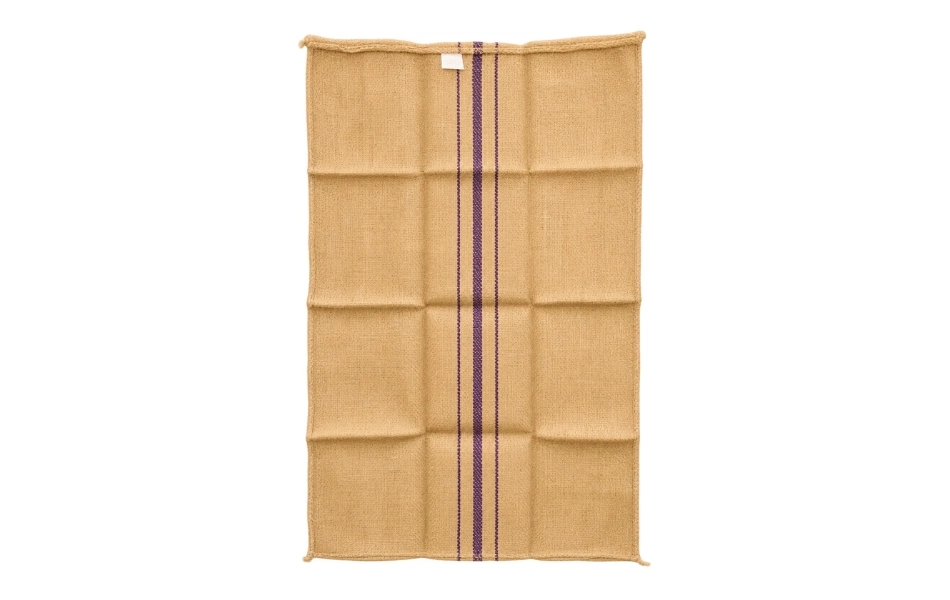
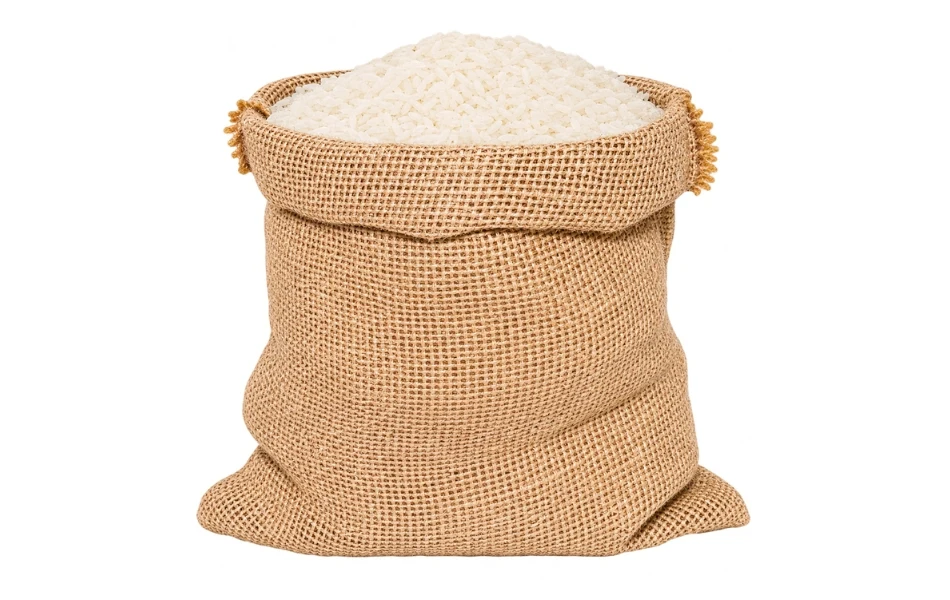
We manufacture jute sacks for Brazilian raw-cashew buying centres, processors and packaging distributors, including businesses serving Ceará and Rio Grande do Norte. Embrapa recommends 50 kg vegetable-fibre sacks for cleaned, dried and sorted in-shell cashews. We can review a woven jute construction for that packing requirement.
Tell us whether your operation handles raw nuts in shell or processed kernels. The jute sack specification below is for in-shell nuts only; shelled cashew kernels need a separate protective packaging system.
- Material
New woven jute sacking - Intended product
Dried raw cashew nuts in shell - Net filling weight
50 kg Embrapa storage reference; verify the filled sack design - Reference construction
Binola jute sacking, offered as a grade for review - Reference sack size
Approx. 111.8 × 67.3 cm / 44 × 26.5 inches - Reference empty sack weight
Approx. 907–920 g for the Binola grade - Reference weave
6 × 7 porter and shot - Mouth and sewing
Hemmed mouth and overhead dry-sewn reference - Treatment and printing
Cleanliness, permitted treatment and batch/grade markings as required - Export packing
Approx. 300 bags per bale for the Binola reference
Custom Jute Sack Manufacturing for Brazilian Commodity Buyers
A coffee sack, cocoa bag and raw-cashew sack may all be made from jute, but they should not share an order specification by default. We use your existing sack sample, warehouse requirements and buyer instructions to prepare the correct production details.
Net Fill and Finished Bag Size
Confirm whether the requirement is 60 kg coffee, 60 kg cocoa, 50 kg raw cashew or a different contract weight. We review length, width and closing allowance for the material and filling process.
Fabric Grade and Empty-Bag Weight
Select the hessian or heavier sacking grade by weave and grams per finished bag. This lets you compare an imported sack with the product already used by your cooperative, processor or customer.
Portuguese Print and Origin Marks
We can prepare approved Portuguese-language artwork for company names, commodity grades, lot numbers, net weights and warehouse identification. Confirm colour, size and position before printing.
Cleanliness, Treatment and Liners
For coffee and cocoa, share your customer’s oil, odour, hydrocarbon and contact requirements. If a barrier liner is needed, specify its material and dimensions separately; woven jute by itself is not a moisture barrier.
Export Bales and Product Mix
We identify coffee, cocoa and cashew orders separately on the packing list. Mixed container quantities depend on the final empty-bag weight, bale dimensions and approved loading plan.
Mouth Finish and Stitching
Tell us whether the bag will be filled and closed by machine or by hand. We review the mouth allowance, side and bottom seams, and closing method with the intended commodity.
Send the size, empty weight, construction and photographs of your current saco de juta. Include the number of bags required and your nominated Brazilian port so we can quote against a defined product.
Who Buys Wholesale Jute Sack Bags in Brazil?
Our supply is intended for companies that purchase empty jute sacks in bulk. We focus on their packaging specification and import process rather than presenting one bag type as suitable for every agricultural product.
Coffee Export Houses
Exporters handling green coffee through Santos, Vitória or other nominated ports may need defined 60 kg sacks with origin and lot identification. We review the export buyer's required bag and any liner specification before manufacture.
Coffee Cooperatives and Dry Mills
Businesses in Minas Gerais, Espírito Santo and São Paulo can send their existing coffee sack construction for comparison. We check bag weight, weaving and closure so the new order matches the packing operation.
Cocoa Buyers and Processors
Cocoa businesses in Bahia and Pará may need clean sacks for dried beans during grading, storage and commercial dispatch. We record commodity-contact requirements and approved markings in the order.
Raw Cashew Processors and Traders
Buyers handling in-shell cashews in Ceará and other producing areas can request 50 kg vegetable-fibre sack configurations for review. We keep kernel-packaging enquiries separate from raw-nut sack orders.
Agricultural Packaging Importers and Distributors
Brazilian wholesalers buying new sacaria de juta for resale can order different bag grades in clearly marked bales. Provide the customer's exact specification and required arrival destination for a useful quotation.
How Can Brazilian Importers Order Jute Sack Bags from Bangladesh?
We manufacture and prepare the export consignment in Bangladesh. Your Brazilian importer and customs broker determine the import classification, taxes and customs requirements. Confirm these costs before comparing a factory price with locally sourced sacaria de juta.
Share Your Sack Specification
Tell us the commodity, net filling weight, finished bag dimensions, construction, treatment, printing, order quantity and destination. Send an existing sample or technical sheet when possible.
Check the Brazilian Import Basis
Ask your broker to review the applicable NCM code, import taxes and any trade-remedy duty on Bangladesh-origin jute sacks. These charges are separate from the quoted manufacturing price.
Approve the Sample and Treatment Scope
Review the empty sack weight, weave, seams and artwork. For direct-contact coffee or cocoa packaging, agree on the required test evidence and liner details before production.
Manufacture and Inspect the Bags
We work against the approved order details and prepare checks for measurements, sewing, printing and packing. The inspection scope follows the agreed specification.
Confirm Freight and Export Packing
Your quotation can be prepared on an agreed FOB Chattogram, CFR or CIF basis. Nominate the Brazilian receiving port and verify the available shipping service before setting a delivery plan.
Complete Import Clearance and Distribution
Your local team handles Siscomex procedures, customs clearance, port charges and delivery to the final warehouse. We provide the export documents included in the agreed shipping terms.
Why Source Jute Sack Bags from Premium Jute for Brazil?
Brazilian buyers can compare our Bangladesh factory quotation with their required sack specification and full import cost. We provide clear product details so procurement teams can assess fit before placing a bulk order.
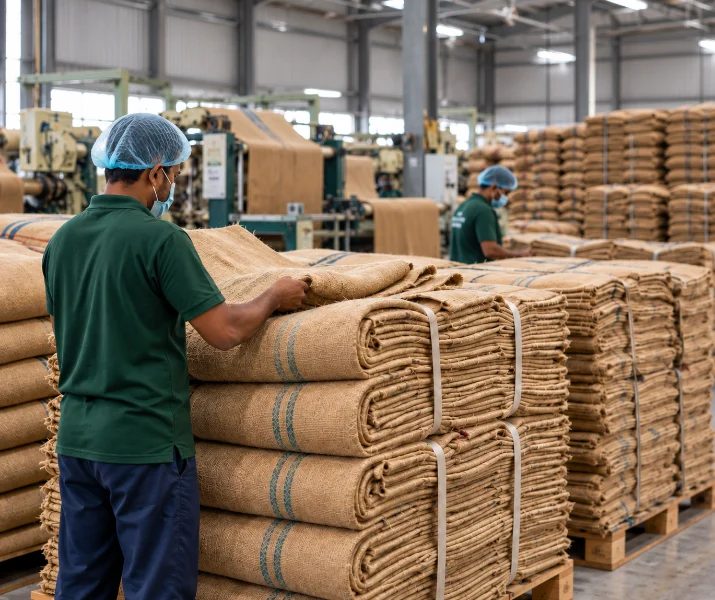
- Factory-direct manufacturing of new woven jute sacks
- Separate reference grades for coffee, cocoa and raw-cashew packaging
- Order specifications showing dimensions, weave and empty-bag weight
- Buyer-defined treatment, cleanliness and liner requirements
- Artwork approval for Portuguese labels, grades and lot marks
- Product-specific bale counts and export packing records
- Quotation terms that distinguish production, freight and import responsibilities
Frequently Asked Questions About Jute Sack Bags in Brazil
Find answers about product selection, bulk quantities, samples and shipping. For an order-specific quotation, send us your product requirements and destination port.
Are you a jute sack bags manufacturer in Brazil?
Premium Jute manufactures jute bags and sacks in Bangladesh and exports to Brazilian importers. We do not operate a Brazilian factory or claim local warehouse stock. You can request a bulk quotation using your required specification and delivery port.
Can you manufacture 60 kg jute coffee bags for Brazil?
We can review a 60 kg green-coffee sack specification, including size, weave, empty-bag weight, treatment and printing. The 60 kg figure is a familiar Brazilian trade unit, but the exact sack construction must match the buyer’s current packaging instructions and filled-bag requirements.
Do you supply jute cocoa bags for Bahia and Pará?
We manufacture jute hessian sacks for dried cocoa bean packing and can quote for businesses serving Bahia and Pará. Tell us the required net fill, dimensions, treatment, cleanliness and lot marks. Cocoa-contact suitability needs the appropriate agreed material and evidence.
What jute bags are suitable for cashew nuts in Brazil?
Embrapa describes 50 kg vegetable-fibre sacks for cleaned, dried and sorted raw cashews in shell. We can review a jute construction for that use, subject to the approved filled sample. Processed cashew kernels require different packaging.
Do Bangladesh-origin jute sack bags have an import duty in Brazil?
Brazil lists an antidumping measure for covered jute sacks originating in Bangladesh under NCM 6305.10.00. Your customs broker should check the current duty, product classification, any other taxes and the full landed cost before placing an order.
What is the minimum wholesale order for Brazil?
Our export planning minimum is one 20 ft container. We can review mixed orders of coffee, cocoa and raw-cashew bags. The final quantity depends on each grade’s packed bale size and weight, as well as the container loading plan.
Request a Bulk Jute Sack Bag Quote for Brazil
Send your current coffee, cocoa or cashew sack specification, the number of empty bags required and your receiving port in Brazil. Include any 60 kg or 50 kg packing reference, food-contact instructions, liner and printing details. We will prepare a quotation against the product and shipment terms you approve.