
Home / Countries / Uganda
Gunny Bags Manufacturer, Supplier and Exporter for Uganda
We are a gunny bags manufacturer and exporter in Bangladesh, supplying jute bags, coffee packaging bags, gunny sacks and rice sacks in bulk to importers, distributors and wholesale buyers across Uganda. For green coffee, we review the outer sack against your buyer’s 60 kg packing specification, liner requirements and lot markings. Grain and rice buyers can specify the sack construction, stitching and 50 kg or 100 kg size needed for their packing work.
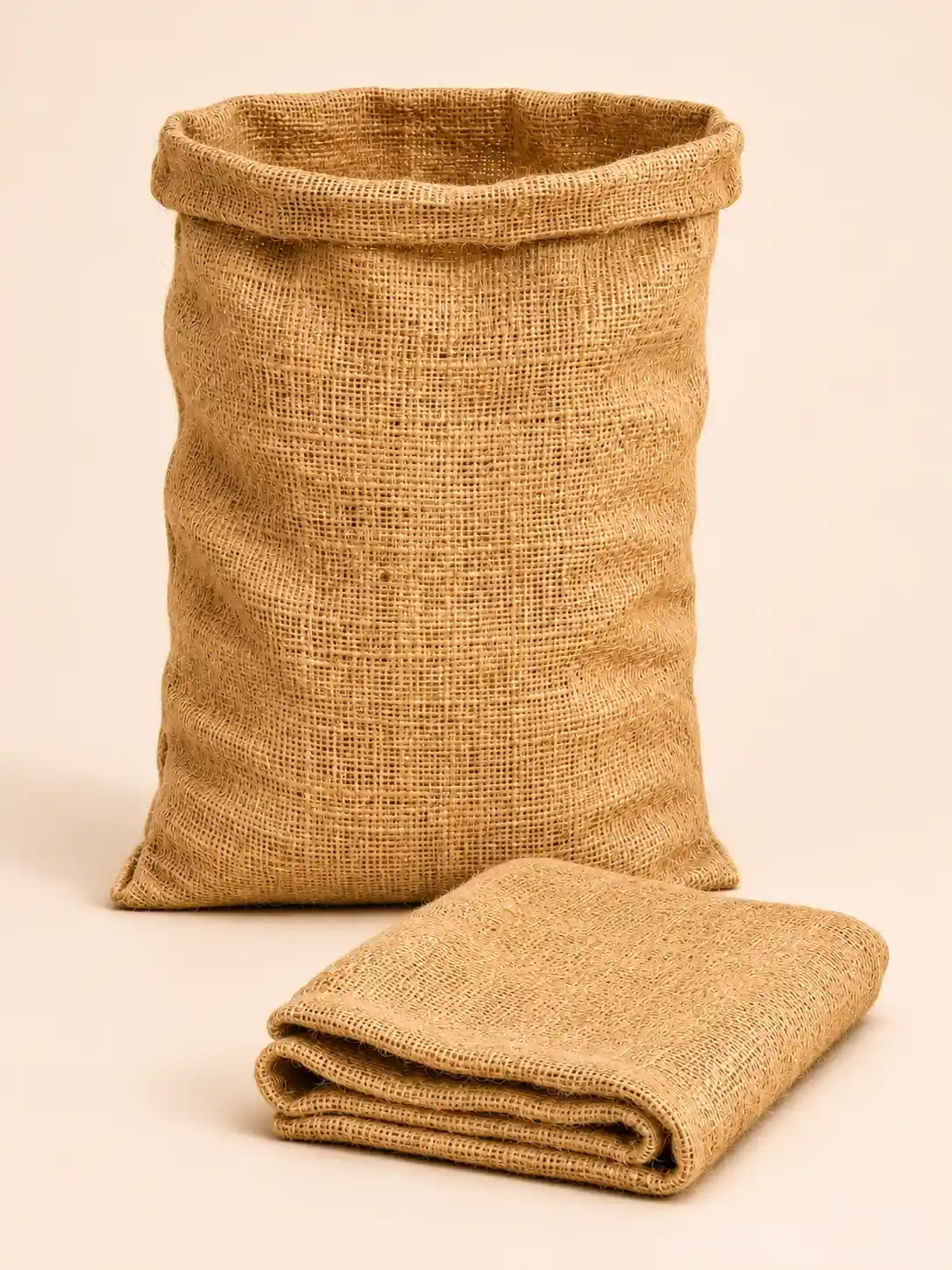
Common Problems When Sourcing Gunny Bags in Uganda
If you export coffee from Uganda, your bags need to handle every stage, from milling and storage to inland transport and overseas inspection. Before placing your order, make sure the sacks meet your buyer’s requirements for cleanliness, dimensions and lot identification.
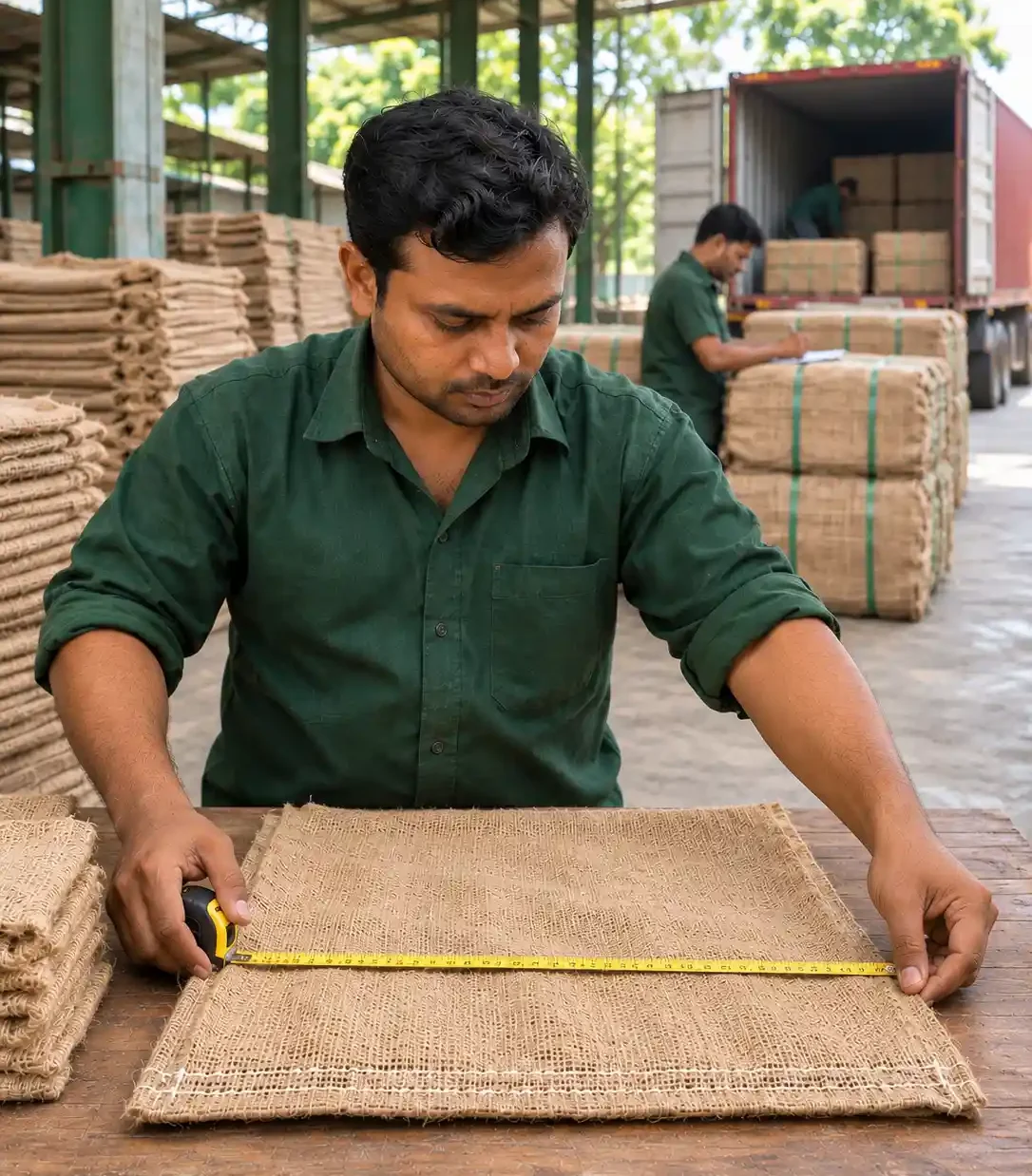
Problems That Delay Packing
A bag chosen only by its stated 60 kg fill may leave too little room for the liner and closure. Marks that cannot be read after filling create extra work when separating coffee lots. Import charges also change the total cost of an empty-bag order.
- Outer sacks do not fit the approved coffee liner
- Strong odours or unspecified treatments raise buyer concerns
- Lot, grade or origin marks are hard to identify
- Bag quantities arrive without a clear bale-by-bale breakdown
Checks Built Into Your Order
We start with the packing requirements you provide, then define the sack to be made. The approved details become the basis for sample checks, production and the shipping documents prepared for the order.
- Confirm new jute material and the selected bag construction
- Check liner clearance, mouth finish and closing allowance
- Agree on printing artwork and placement before production
- Record bag counts and identification for each bale
- Confirm the seaport, freight scope and final Uganda destination
Wholesale Gunny Bags and Jute Sacks for Uganda
We supply three types of empty jute bags and gunny sacks for different packing jobs. A coffee exporter may order a liner-compatible outer bag, while an agricultural wholesaler may prefer a heavier B-Twill sack. The technical details below show an order specification or a reference grade. The final offer follows the sample and requirements you approve.
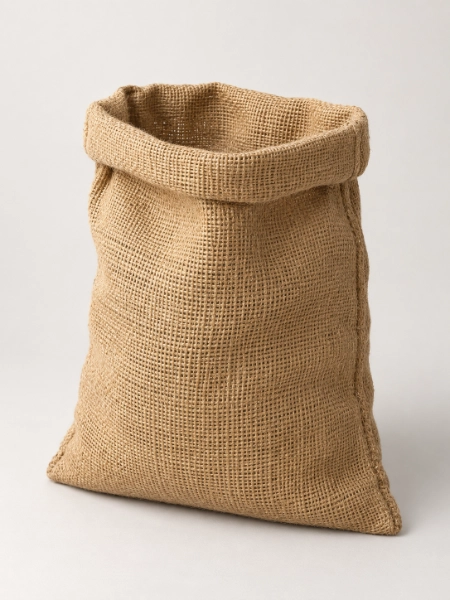
Jute Coffee Packaging Bags
Ugandan Robusta and Arabica exporters commonly pack green coffee in 60 kg sacks. For your mill, the important choice is how the jute outer bag works with the selected coffee grade, inner liner and export markings. We make the sack to an agreed specification rather than treating one size as suitable for every coffee contract.
- Material
New woven jute for the outer sack - Intended contents
Clean, graded green Robusta or Arabica beans - Nominal fill
60 kg trade reference, or the buyer’s approved net weight - Dimensions
Lay-flat length × width selected for the fill, liner and closure - Fabric construction
Weave, density and empty-bag weight defined in the approved sample - Mouth and seams
Opening, hem and sewing suitable for the filling and closing process - Liner
Compatibility checked for the buyer-approved liner; liner supply quoted separately if offered - Treatment and cleanliness
Odour, batching treatment and relevant contact/test requirements agreed for the order - Printing
Coffee lot, origin, grade, net weight and other approved marks - Packing
Export bale count and identification stated on the packing list
100 kg Gunny Bags and Large Burlap Bags
Our Standard B-Twill 100 kg gunny bag is a heavier jute sack, sometimes sold as a large burlap or hessian bag, for dry commodities such as maize, beans and other agricultural produce. Ugandan packaging distributors can order this grade in bulk, plain or with approved markings. Filled-bag performance depends on the commodity, stitching and handling conditions.
- Material
Woven jute - Typical use
Dry agricultural commodities requiring a jute sack - Nominal fill
100 kg reference, subject to the selected contents and handling approval - Bag size, length × width
Approx. 111.8 × 67.3 cm (44 × 26.5 inches) - Weave construction
6 × 8 porter and shot - Finished empty-bag weight
Approx. 1,020 g - Mouth and stitching
Hemmed mouth, overhead dry sewn - Finish and marking
Treatment and plain/printed marks to the order specification - Bale packing
300 bags per iron-bound bale, reference packing - Export basis
FOB Chattogram; CFR/CIF to the agreed seaport when quoted
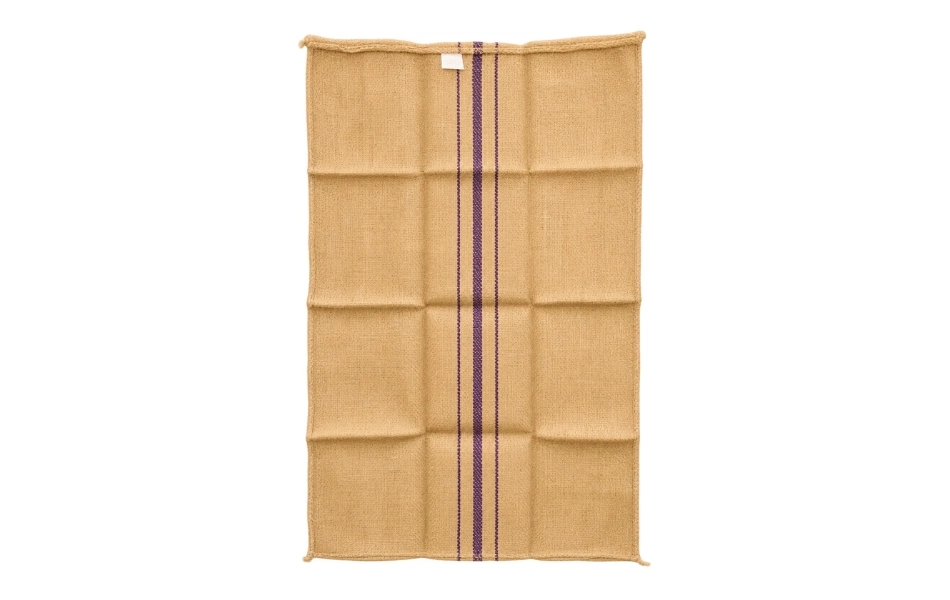
50 kg Rice Sacks and Jute Rice Bags
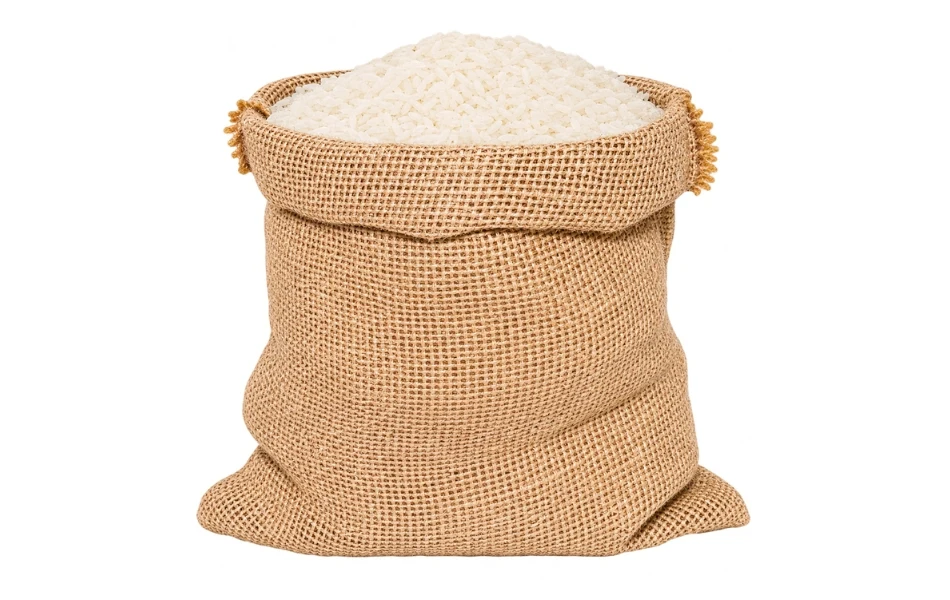
A 50 kg rice packer generally needs a smaller bag than a buyer filling 100 kg gunny bags. Our Lightweight B-Twill reference gives Ugandan rice millers and wholesale buyers of jute rice bags a starting point for that comparison. Before ordering, confirm the rice fill, closing method and any food-contact requirements.
- Material
Woven jute - Intended application
Rice packaging where the buyer specifies jute - Nominal fill
50 kg reference; approve against a filled sample - Bag size, length × width
Approx. 96.5 × 57.2 cm (38 × 22.5 inches) - Weave construction
6 × 8 porter and shot - Finished empty-bag weight
Approx. 665 g - Mouth and stitching
Hemmed mouth, overhead dry sewn - Treatment
Selected according to the rice and contact requirements - Printing
Buyer-approved brand, rice grade, weight and batch marks - Bale packing
Approx. 300 bags per export bale
Custom Gunny Bag Manufacturing for Ugandan Buyers
For an established coffee mill or rice brand, matching the current pack often matters more than choosing a named bag grade. We can use your physical sample, purchase specification or technical drawing to define the production requirements.
Coffee Fill and Liner Space
A 60 kg net fill tells us the contents, not the finished sack size. Give us the lay-flat measurements and liner details, including the room needed to fold or sew the mouth closed.
Jute Construction and Seam Strength
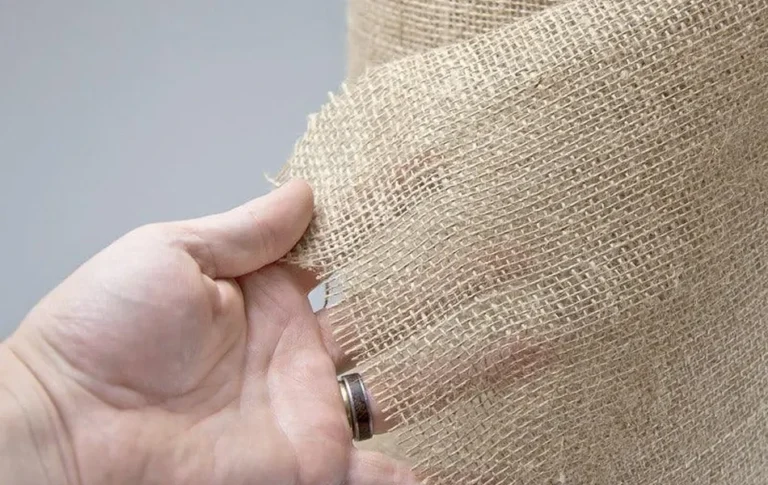
Select the fabric grade and stitching for your filling line and warehouse handling. We record the fabric GSM and finished empty-bag weight as different measurements.
Export Marks and Bag Printing
Your printed layout may need a coffee lot code, origin, exporter name, rice brand or net weight. Send the exact wording and artwork so its position can be checked before the bulk run.
Cleanliness and Contact Requirements
Tell us whether the product touches jute directly or uses a liner. State the treatment, odour or test criteria imposed by your coffee buyer, rice customer or purchase contract.
Samples and Acceptable Tolerances
Review a representative bag before the main order. We agree which measurements, seams and printed details can vary and which must match the approved reference.
Bale Identification and Mixed Loading
Plan how your warehouse will separate the different sizes when the container is opened. We can label the bales by product line and prepare a loading breakdown for mixed coffee, gunny and rice sack orders, including bulk orders of jute bags.
Send a photo, measured sample or datasheet along with the quantities for each bag type. We will use it to prepare a production-based quotation.
Who Buys Wholesale Gunny Bags in Uganda?
Different Ugandan businesses purchase empty jute sacks and gunny bags at different stages of the commodity trade. We focus on the information each buyer needs to choose a useful bag and receive a bulk order without confusion.
Coffee Export Companies
If your overseas contract calls for 60 kg green-coffee sacks, supply the approved bag and marking requirements early. We manufacture the empty outer bags for your export preparation, with liner compatibility considered where needed.
Dry Mills and Coffee Processors
A mill packing graded Robusta or Arabica needs enough matching bags for its planned lots. We use your filling and closure setup to agree on the sack opening, sewing and identification details.
Importers, Distributors and Stockists
Import empty jute sacks for distributors, stockists and wholesale jute bag suppliers in Kampala, Jinja, Mbale and other markets. A breakdown by bag type, finished weight and bale quantity helps your team receive and distribute wholesale stock.
Grain Traders and Agricultural Buyers
For maize, beans or other dry produce, the buying decision starts with the required commodity pack. Choose a gunny sack or burlap sack construction that suits your filling weight, transport and storage method.
Rice Millers and Wholesale Packers
Rice brands buying jute rice bags in bulk can specify their own sack dimensions, print layout and closing method. The 50 kg Lightweight B-Twill grade is a reference option, with the final pack agreed for the rice being sold.
How to Import Gunny Bags from Bangladesh to Uganda
Jute bags in bulk travel from Bangladesh to Uganda through a regional seaport and an inland route. For a container order, price and timing depend on the selected bag mix, shipment basis, port handling and the final receiving point.
Tell Us What Will Be Packed
List coffee, grain and rice sack quantities separately. Include the net fill, current sample or size, printing and any liner or cleanliness specifications. State the town or warehouse receiving the goods.
Set the Commercial and Shipping Scope
We prepare the product quotation and discuss FOB Chattogram or a quoted CFR/CIF seaport basis. Your importer or freight agent can compare onward transport and clearing costs before you approve the order.
Approve the Bag and Artwork
Check the sample, printed marks, treatment and packing information. These details form the purchase specification and allow us to prepare the manufacturing schedule.
Produce and Pack by Product Line
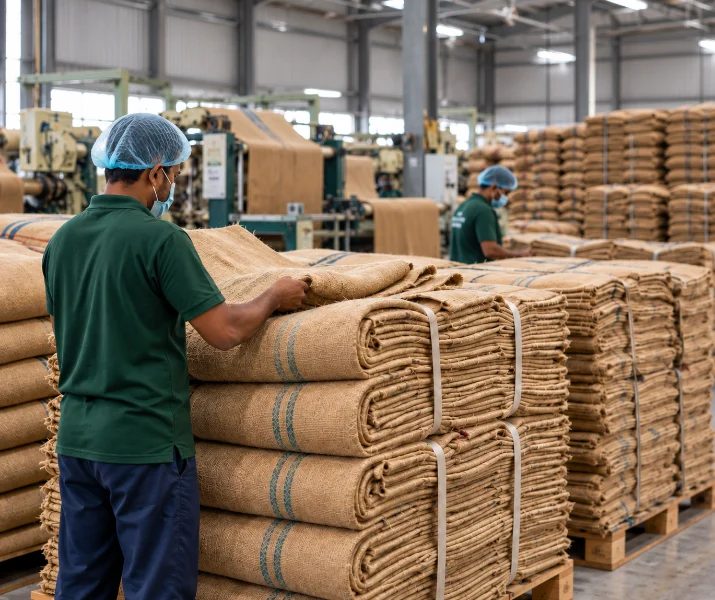
Our Khulna gunny bag factory makes the agreed sacks. We check the finished size, bag weight, seams and print details, then identify export bales to match the order.
Dispatch Through the Chosen Seaport
The cargo moves under the confirmed freight terms, often through Mombasa or Dar es Salaam for Uganda-bound shipments. We prepare the agreed commercial invoice, packing list and export shipping records.
Receive the Container in Uganda
Your importer or appointed agent confirms Uganda National Bureau of Standards requirements, customs clearance and the inland leg. The quote states whether transport beyond the seaport is included.
Why Choose Premium Jute Enterprise as Your Gunny Bags Manufacturer and Supplier?
Buying empty bags from overseas works better when your team can compare a sample, a quotation and the arriving shipment against the same specification. We keep those details together throughout the order, especially when the container includes more than one jute sack grade.
- New jute coffee bags and agricultural sack grades for bulk procurement
- Custom measurements and sewing based on the approved sample
- Review of coffee liner fit, treatment needs and print artwork
- Separate finished-bag weight and fabric specification records
- Batch checks for dimensions, seams, printing and packing
- Bale identification for buyers receiving mixed product lines
- Clear export paperwork and shipment responsibilities before dispatch
Questions Ugandan Buyers Ask Before Buying Gunny Bags in Bulk
Here are the details worth confirming before a coffee mill, agricultural wholesaler or packaging importer commits to a container of empty jute bags.
Is a 60 kg coffee bag always the same size?
No. 60 kilograms describes the net coffee fill, not a fixed sack measurement. Your preferred liner, bean packing density and closing method affect the dimensions. Send the approved outer-bag specification or sample when requesting a quotation.
Do the coffee bags include a moisture-barrier liner?
A woven jute outer bag does not provide a sealed moisture barrier on its own. We can review its fit with your chosen liner, but liner material and supply must be agreed separately. Do not assume a liner is included in the sack price.
What is the minimum order for Uganda?
Premium Jute’s minimum export order is one 20 ft container. Coffee packaging bags, gunny sacks and rice sacks can be combined, provided the agreed bale sizes and total container loading allow it. We confirm quantities by product before production.
Do you supply 50 kg and 100 kg gunny bags in bulk?
Yes. Our Lightweight B-Twill reference is a 50 kg jute bag, often used for rice, and our Standard B-Twill reference is a 100 kg gunny bag for dry agricultural commodities. These are reference grades, and the final size and weight follow your approved sample. Woven jute sacks like these are also sold as burlap or hessian bags. The minimum export order is one 20 ft container.
How many empty jute bags fit in one 20 ft container?
A Standard B-Twill reference load is about 65 bales of 300 bags, or 19,500 sacks. Coffee sacks and Lightweight B-Twill bags may pack differently. The actual load is confirmed after bale dimensions, weights and product quantities are agreed.
How is the price of gunny bags in Uganda calculated?
The price of gunny bags depends on the bag type, size, weight, printing and quantity, plus the agreed freight term. We quote the wholesale gunny bag price against your approved sample, so this page does not list a fixed rate. Add any costs outside the quoted term, including inland transport, clearance, taxes and applicable inspection charges, to estimate your landed cost. Give us your intended receiving point so the quotation clearly states what is included.
How far ahead should a coffee exporter order empty sacks?
Plan backward from the date your mill needs bags, allowing for sample approval, production, ocean freight, port handling and inland delivery. We confirm manufacturing timing after you approve the specification. Your freight agent should confirm the latest route and customs estimates.
Request a Wholesale Gunny Bags Quote for Uganda
Tell us how many gunny bags or jute sacks your business needs for the next packing run or bulk order. Include the product mix, bag specification and receiving location. We will prepare a quote around the manufacturing requirements and the delivery terms you select.